European countries aim to lessen their dependence on Russia after its invasion of Ukraine while pursuing their goal of realising carbon emissions neutrality in the EU by 2050.
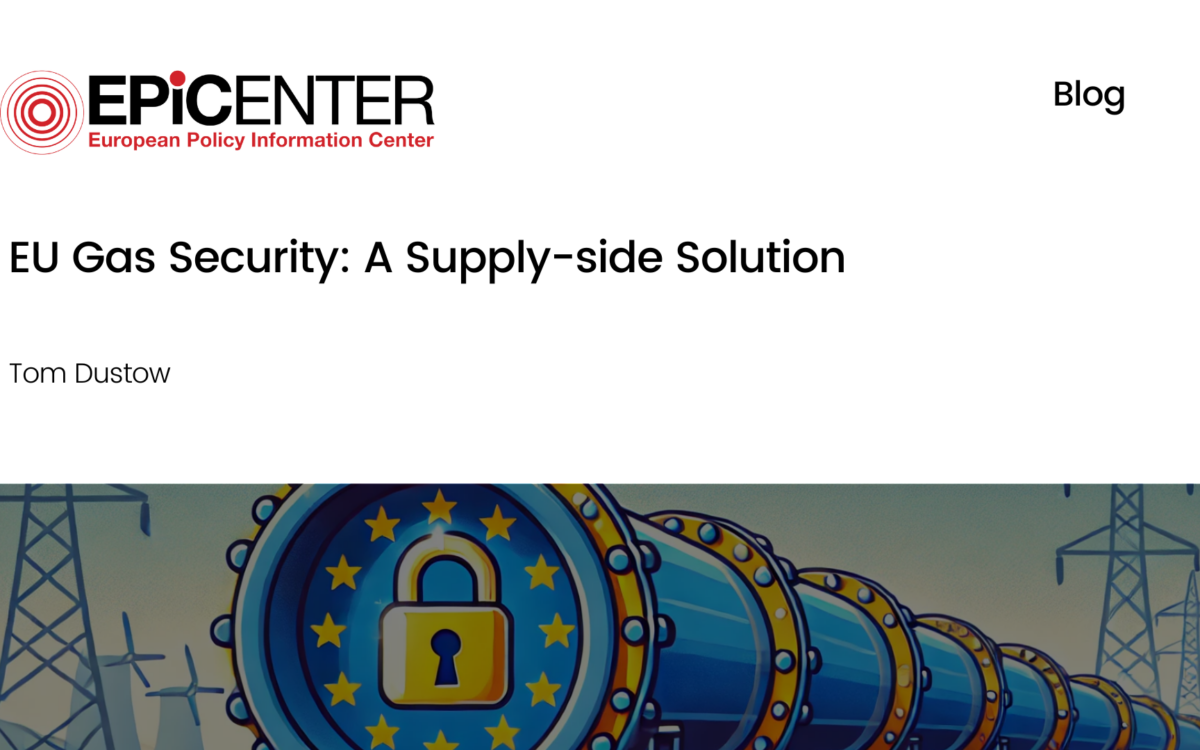
In early September, Gazprom announced an indefinite shutdown of the key Nord Stream 1 pipeline, which normally accounts for one-third of Russian gas imports into Europe.
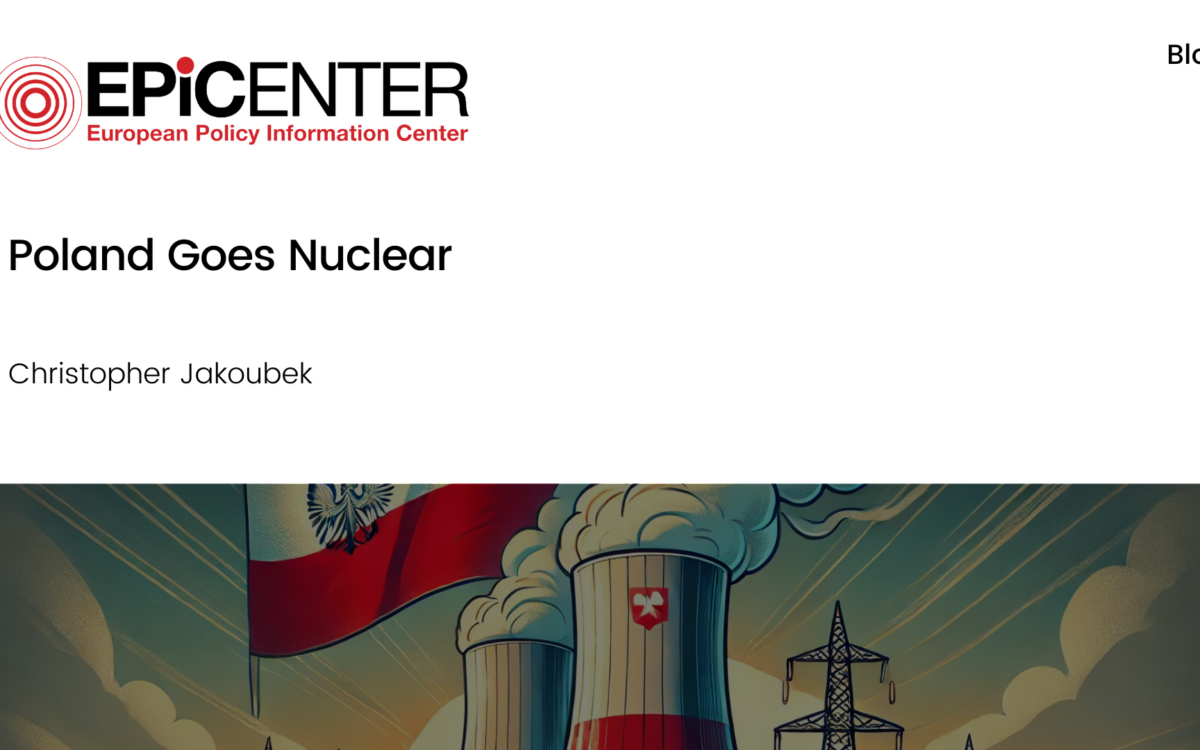
President Macron announced in February 2022 that he wanted to ‘restart the construction of nuclear reactors’ with six new reactors after the definitive closure of the nuclear power plant in Fessenheim (Haut-Rhin) in June 2020.
After the Russian invasion of Ukraine began on 24 February 2022, questions about energy independence in the EU and the various ways this could be achieved re-emerged.
In many states across Europe, fracking is banned due to nimbyism (reluctance to be the site of fracking themselves) and pressure from green groups, as well as caution and concern about the potential seismological, environmental and health impacts.
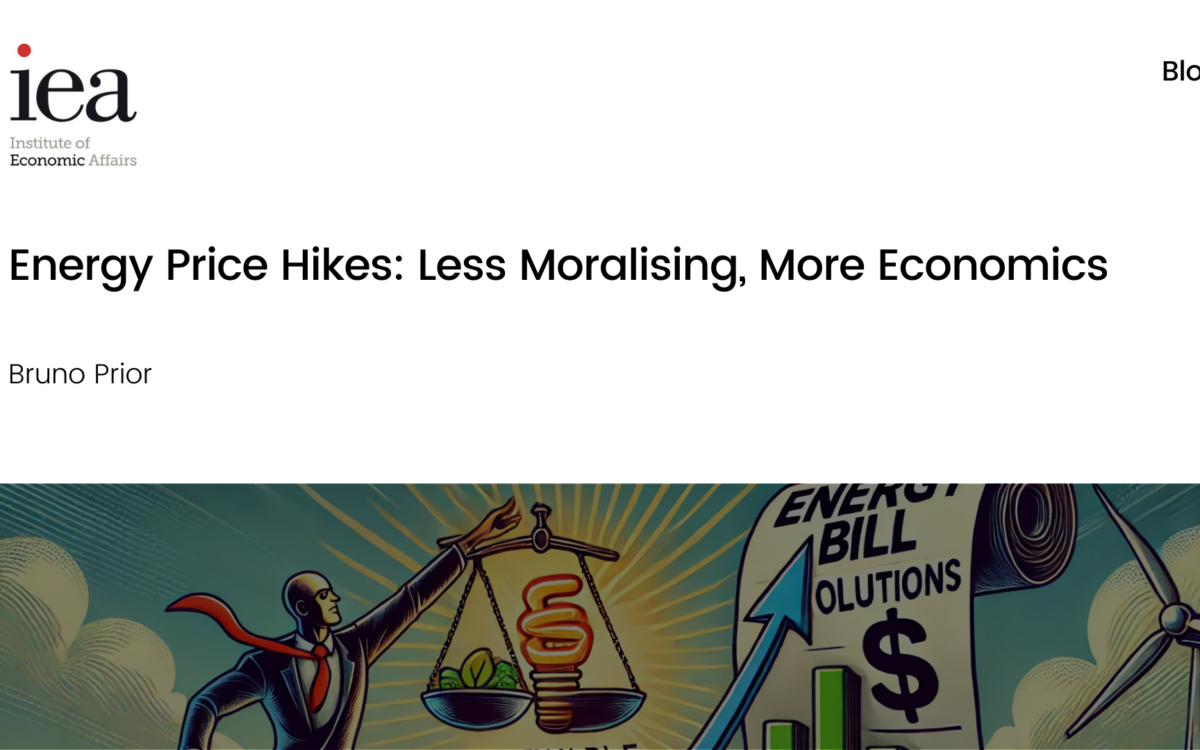
The energy-price crisis is an economic problem. It is not a moral problem. It is a matter of bringing supply and demand for various products into alignment.
While COP26 seems to have had lukewarm effects on the global approach towards more sustainable policies, a key takeaway is the promotion of market environmentalism.