The fifth edition of the Authoritarian Populism Index, published by Timbro and EPICENTER, finds that combined support for populist, authoritarian and extremist parties on the left and right has reached a record 32.6%.
While the pro-Russian, anti-European Alternative for Germany is enjoying major electoral success in German local elections, a new vision for the EU has been formulated in France. Carl-Vincent Reimers writes about Europe’s new visionary.
The Autocracy Playbook analyses how sixteen years of Viktor Orbán’s Fidesz government captured and eroded Hungary’s core democratic institutions and economic freedoms.
This paper examines an often-overlooked dimension of tax policy: legal certainty. While European tax debates typically focus on rates, bases, and revenue levels, this study argues that the predictability and consistency of tax enforcement play an equally decisive role in shaping economic incentives.
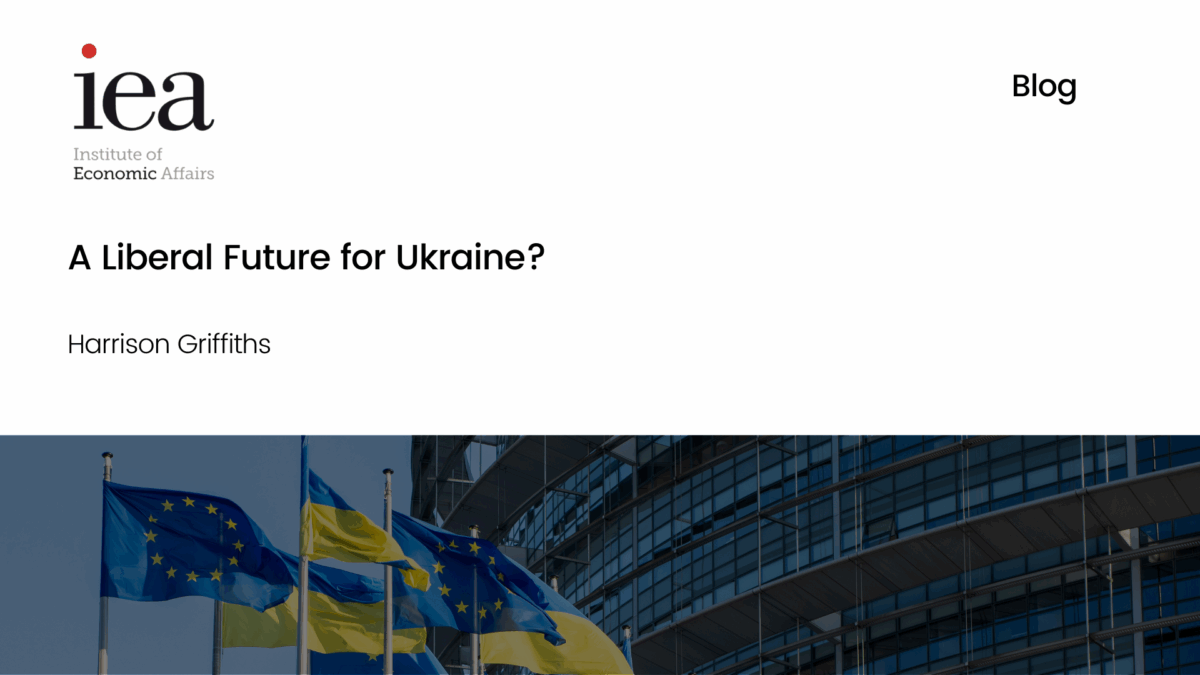
It has been over three years since Russia’s full-scale invasion of Ukraine. As morning dawned on 24th February 2022, most analysts in the West thought Ukraine stood little chance. As Russian troops flooded into Ukraine from the north, south, and east, the talk from media outlets and Western governments was about arming an insurgency, not a conventional defence.
Until ten years ago, European populist parties, regardless of their internal politics, were united by a strong opposition to the European Union (EU) and a desire to either dismantle or exit the EU.
The EP election has been interpreted as a swing in an non-liberal direction, as ‘right-wing’ parties in Europe have made significant gains, while the share of votes for liberal parties, including Renew, has declined.
The Authoritarian Populism Index offers a comprehensive overview of the major ideological trends in European politics, focusing on parties advocating illiberal and authoritarian ideologies.