The European Commission has announced two Digital Markets Act decisions against Google. One forces Android to open its AI-relevant features to rival assistants.
The Commission’s decision to fine Google for unfair practice was based on a misunderstanding of the Android ecosystem and a mistaken definition of the relevant market. This allowed Google’s activities to be wrongly cast as those of a monopoly abusing its position.
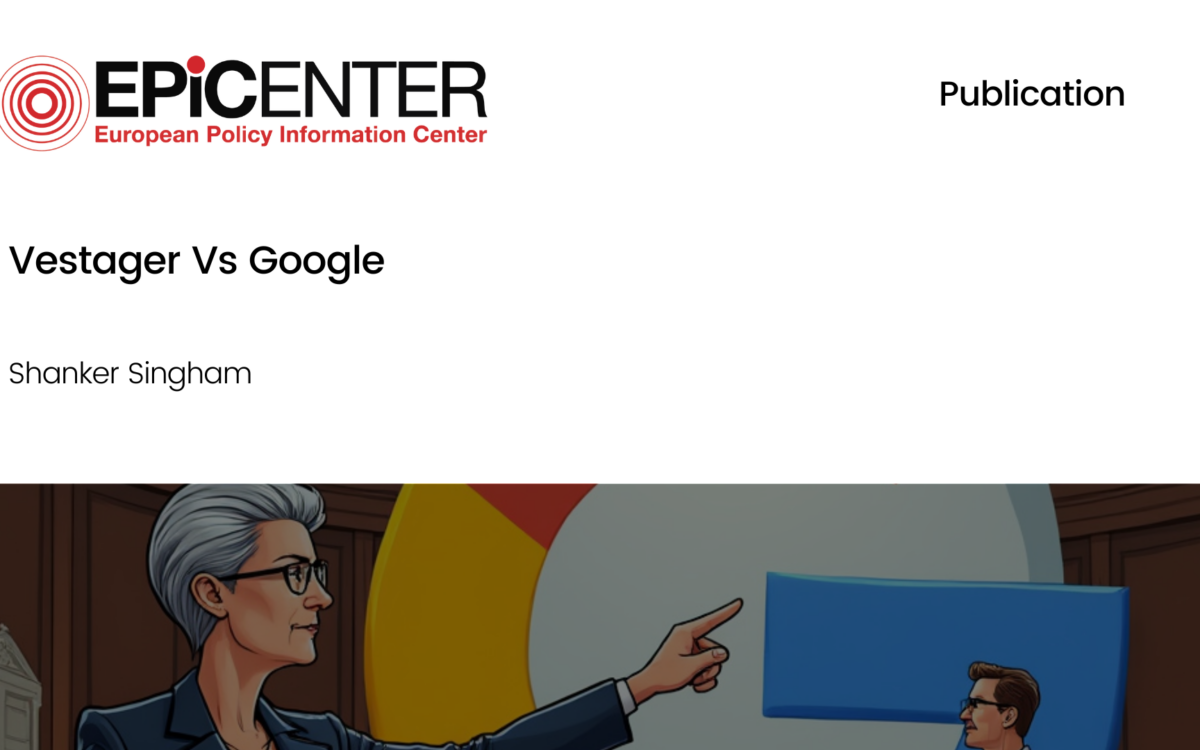
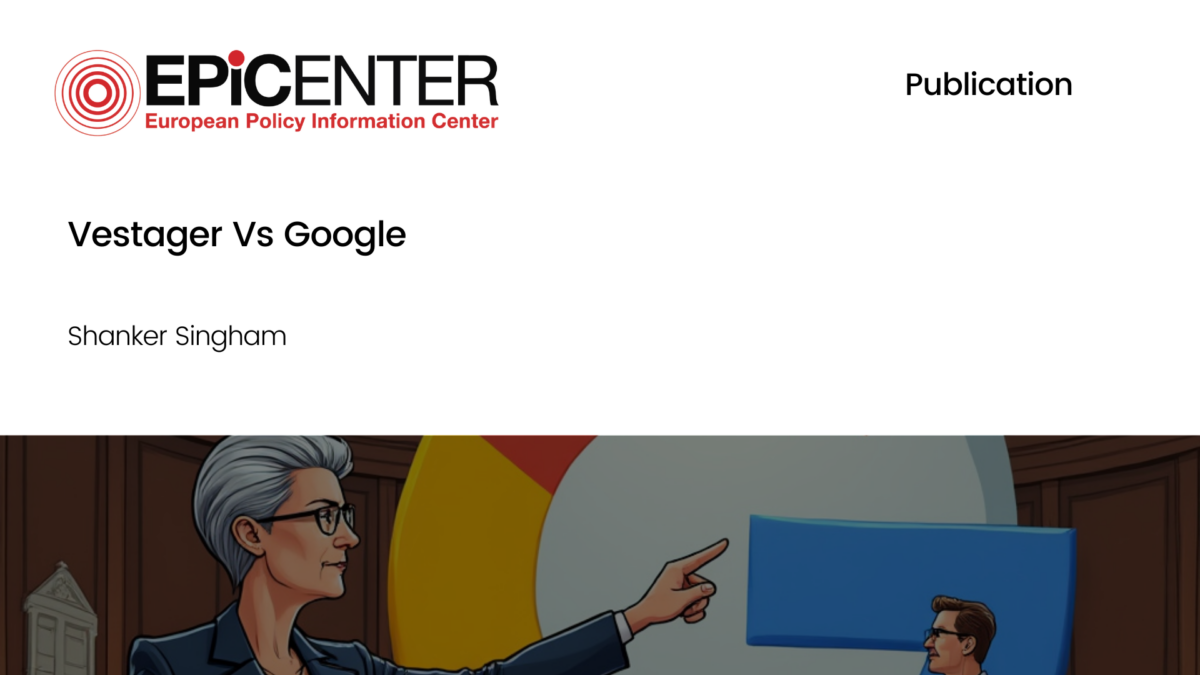
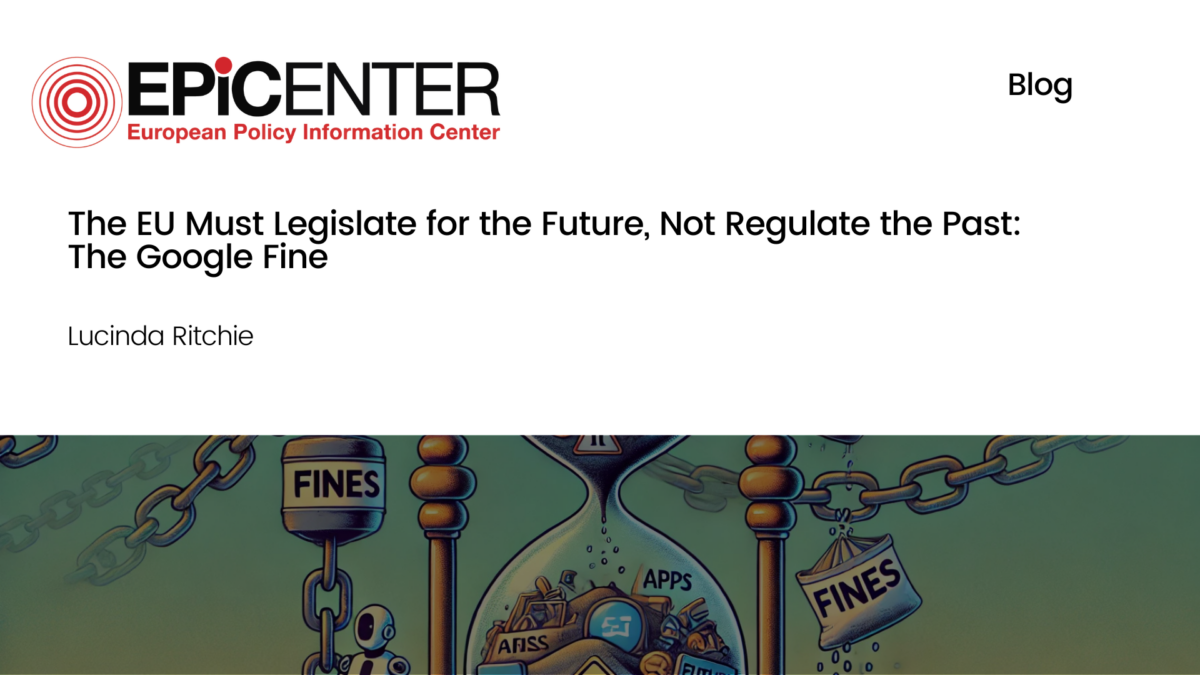
After a 7 year investigation, the European Commission’s Margrethe Vestager announced on 27th June a €2.4 billion fine against search engine giant Google.
The extent of market power enjoyed by Google is a debatable question. The antitrust literature emphasises the importance of error costs in making judgements about the appropriateness of regulatory intervention.
The decision by the American antitrust regulator to acquit Google from charges of manipulating its search engine for anti-competitive purposes provides useful input for European regulators.
Can the supply of material on the web be regulated? How to take action on content considered offensive? But above all, where does responsibility lie? Does it lie with the creator of the content, or with the infrastructure through which it flows?