Publications

February 1, 2020

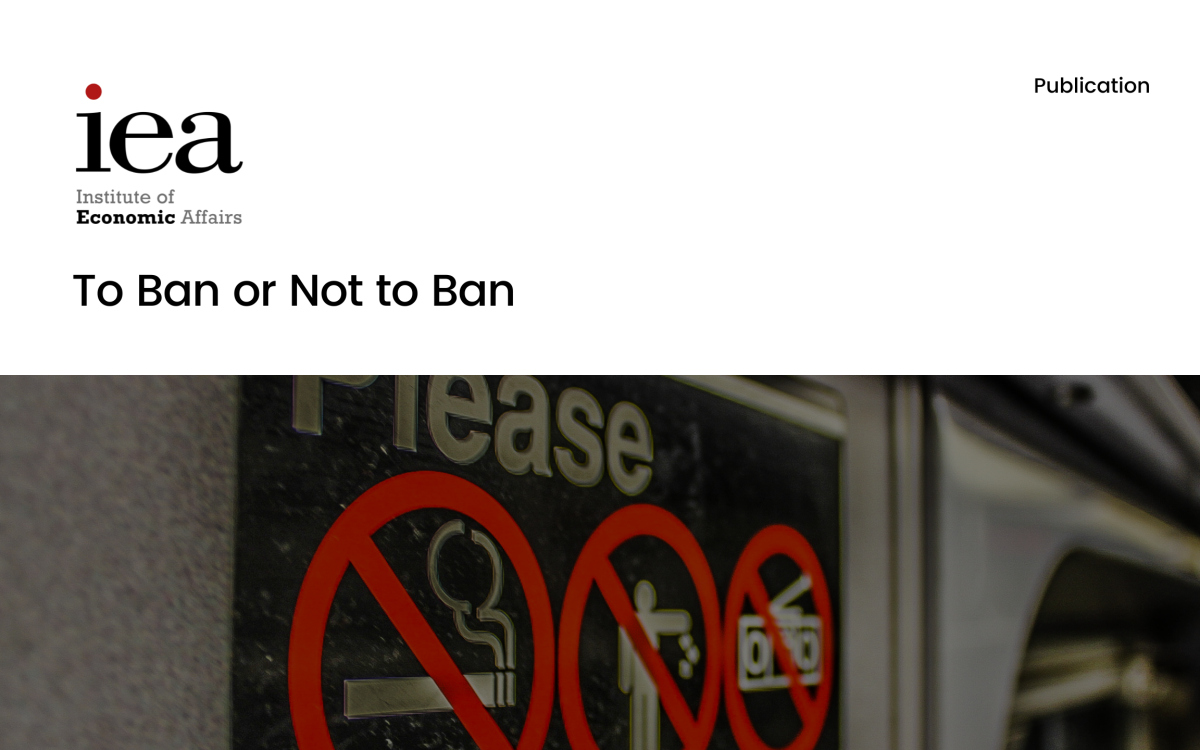
To Ban or Not to Ban

A ban on opening a new supermarket is evidence that people want a new supermarket, for if they did not there would be no need for a ban. The same is true of chlorinated chicken, gambling machines and many other products and activities that we are told need to be banned or restricted.
January 22, 2020

Rent Controls: How They Damage the Housing Market, the Economy and Society

Rent controls are now being discussed in cities like Berlin, London, and New York. Sweden has had rent controls since 1942. There are at least nine reasons why the Swedish experience should serve as a cautionary example for other countries.
January 2, 2020

Employment Flexibility Index 2020

For the third year in a row, the Lithuanian Free Market Institute and its partner organisations present the Employment Flexibility Index, that ranks a total of 41 countries that are members of the European Union (EU) or the Organization for Economic Cooperation and Development (OECD).
November 14, 2019

Nanny State on Tour

This study calculates how much UK foreign aid was spent (in 2018 prices) on lifestyle interventions targeting smoking, drinking, eating and sedentary behaviour.UK taxpayers spent £44.6million on ‘nanny state’ foreign aid projects between 2005 and 2018, spread over 35 projects in 47 countries. The three biggest recipients were China (£7.9million), India (£2.2 million) and Colombia (£1.8 million).
September 5, 2019

Reducing Shadow Economies

Across Europe, shadow markets constitute a significant portion of the economy. According to some estimates an average of 16 percent of GDP in EU member states is generated by the shadow economy. In Eastern and Southern Europe, the share of GDP produced by the shadow economy is even higher. On the one hand, governments admit that activities carried out within shadow markets create added value – they are included in official estimates of GDP among EU member states. On the other hand, governments have attempted to combat the shadow economy by introducing all kinds of policy measures aimed at reducing its operations as far as possible.

Share this content

EPICENTER publications and contributions from our member think tanks are designed to promote the discussion of economic issues and the role of markets in solving economic and social problems. As with all EPICENTER publications, the views expressed here are those of the author and not EPICENTER or its member think tanks (which have no corporate view).


Subscribe

* indicates required

EPICENTER publications and contributions from our member think tanks are designed to promote the discussion of economic issues and the role of markets in solving economic and social problems. As with all EPICENTER publications, the views expressed here are those of the author and not EPICENTER or its member think tanks (which have no corporate view).