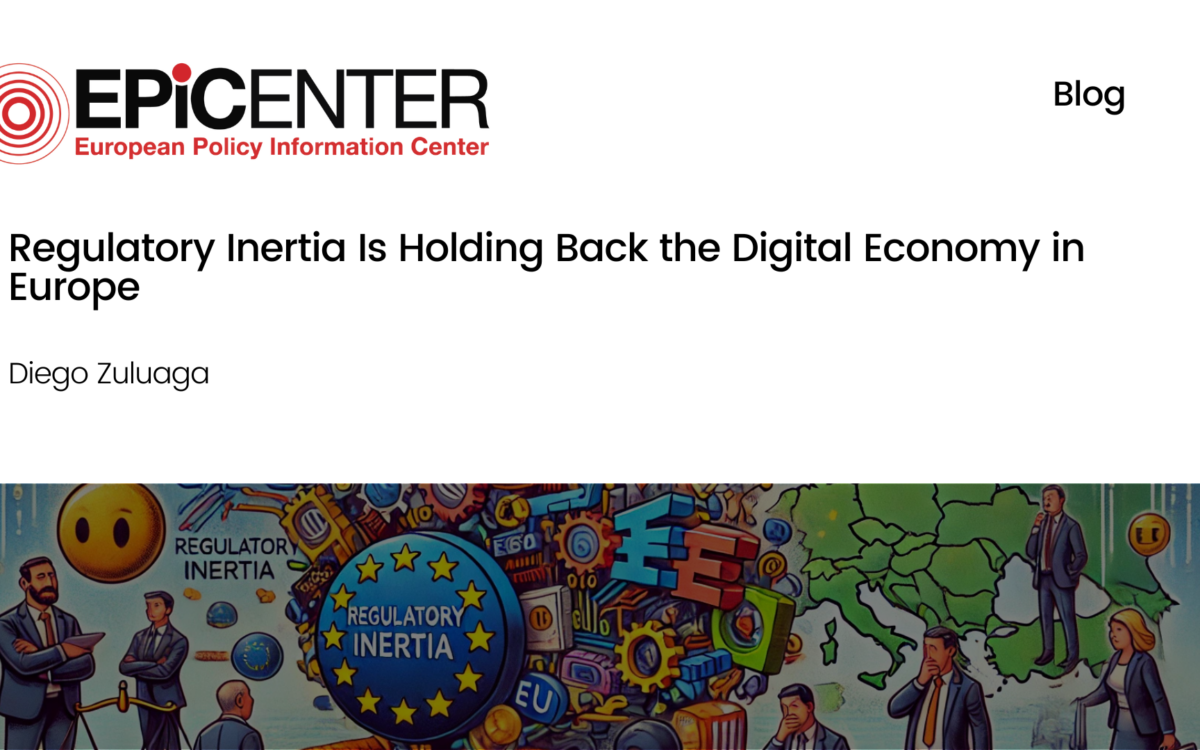
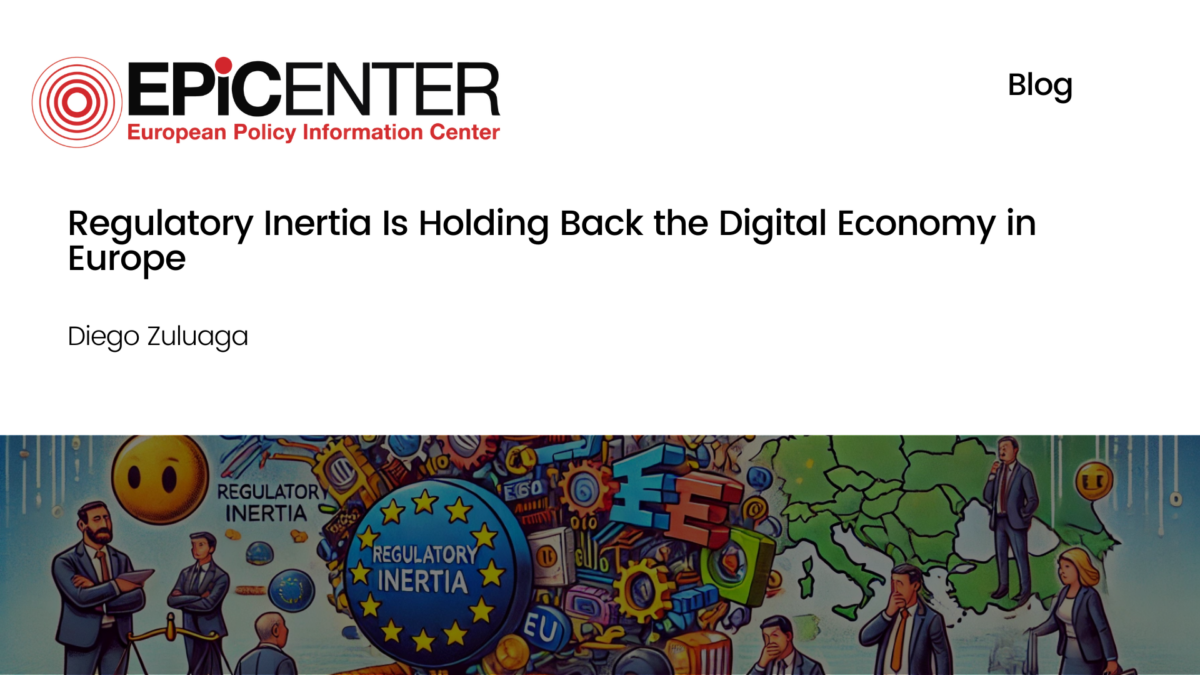
Amidst a global populist attack on “Big Tech”, the European Union has not just failed to resist, but has embraced unwarranted attacks on some of the world’s most innovative companies.
It is claimed that robots, algorithms and artificial intelligence are going to destroy jobs on an unprecedented scale. These developments, unlike past bouts of technical change, threaten rapidly to affect even highly-skilled work and lead to mass unemployment and/or dramatic falls in wages and living standards, while accentuating inequality.
The rise of the ‘tech giants’ is, of course, a significant commercial threat to more traditional media, but it also raises some potentially important issues of public policy. These companies have variously been accused of facilitating the spread of ‘fake news’ and extremist material, dodging taxes, and exploiting their market dominance.
On December 12th, Member States’ Representatives voted to formally adopt the latest European Commission proposal to end roaming charges in the EU by June 15th, 2017.
In recent years, smartphone-enabled applications such as Uber have gone a long way to resolve the market imperfections which gave rise to taxi regulation in the past. GPS technology and Big Data have spurred market innovations which reduce informational asymmetries, facilitating transactions between passengers and drivers.
The extent of market power enjoyed by Google is a debatable question. The antitrust literature emphasises the importance of error costs in making judgements about the appropriateness of regulatory intervention.