The European Commission sought public opinion on the importance of equipping young people with shared values and on how education and non-formal learning can help achieve this aim in view of creating more socially cohesive societies.
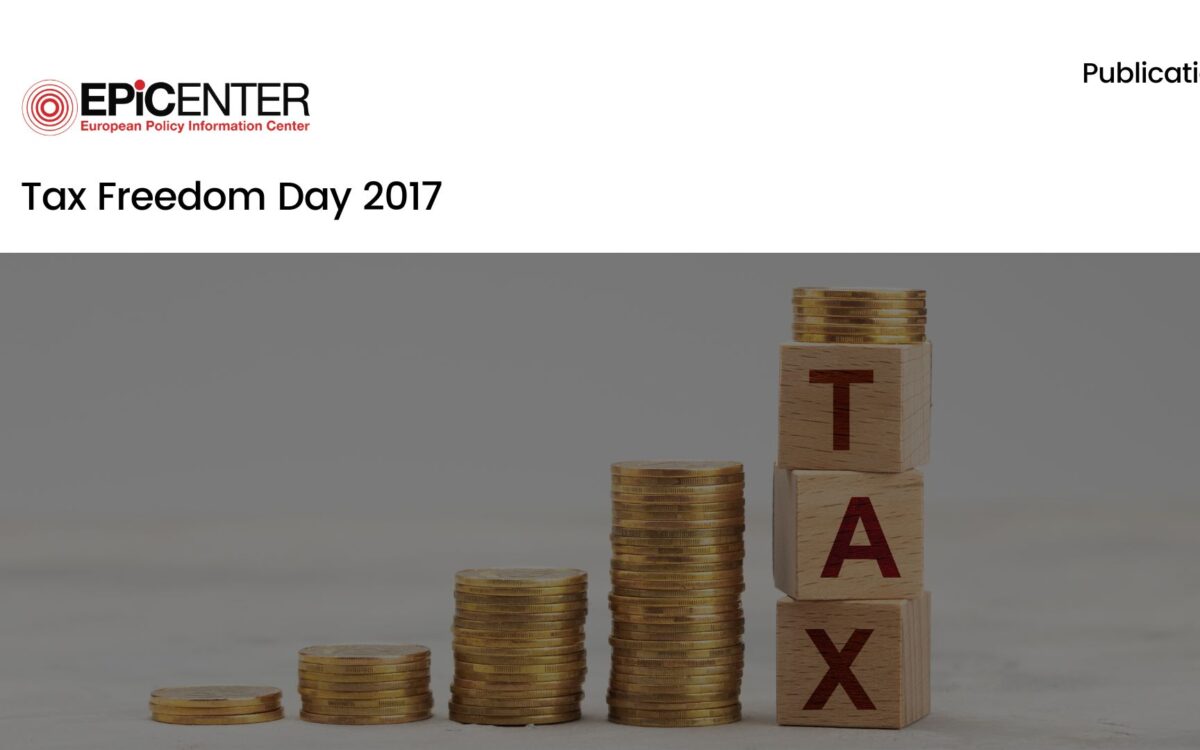
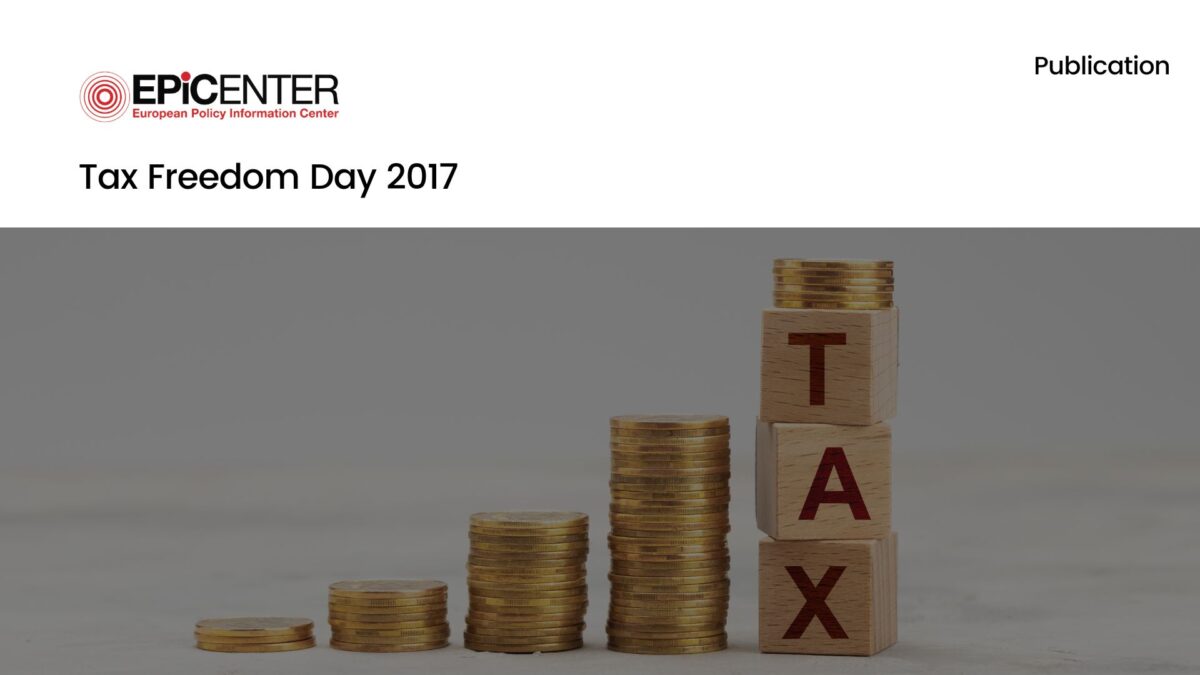
The purpose of this study is to compare the tax and social security burdens of individual employees earning typical salaries in each of the 28 member states of the European Union and, in doing so, to determine a “tax liberation day” — measuring how much of each year’s work is devoted to paying taxes — for workers in each country.
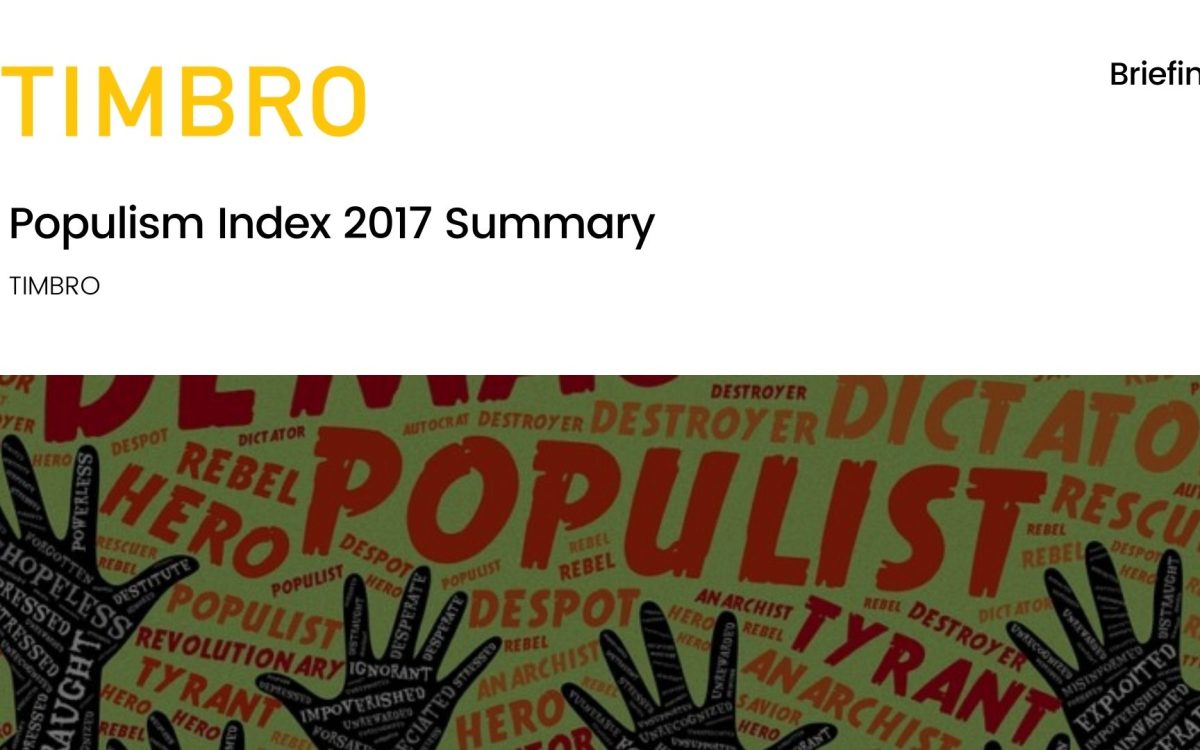
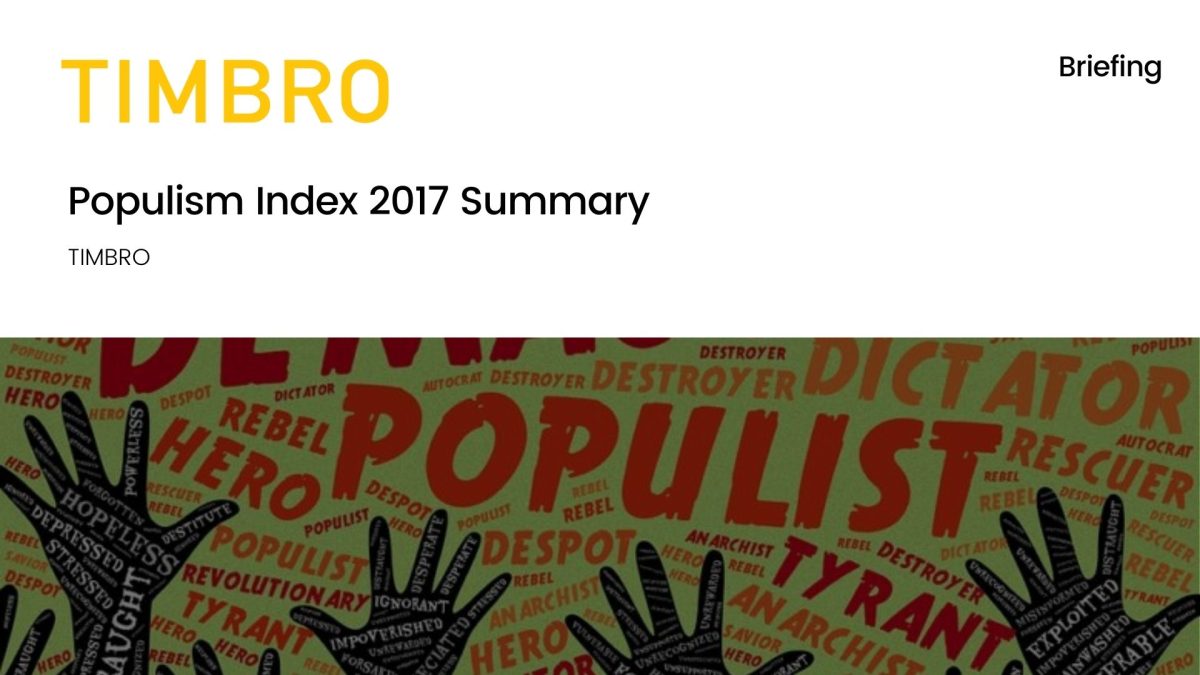
The 2017 TIMBRO Authoritarian Populism Index is the only Europe-wide comprehensive study that aims to shed light on whether populism poses a long-term threat to European ‘liberal’ democracies. The Index explores the rise of authoritarian populism in Europe by analysing electoral data from 1980 to summer 2017.
Theresa May’s famous catchphrase ‘No deal is better than a bad deal’ does not apply to aviation where a no deal scenario following Brexit would have dramatic consequences for the UK.
In 2015, Europeans were horrified by the chaos that unfolded in the Mediterranean Sea and shocked by how unprepared their national governments were to handle the large stream of migrants that followed.
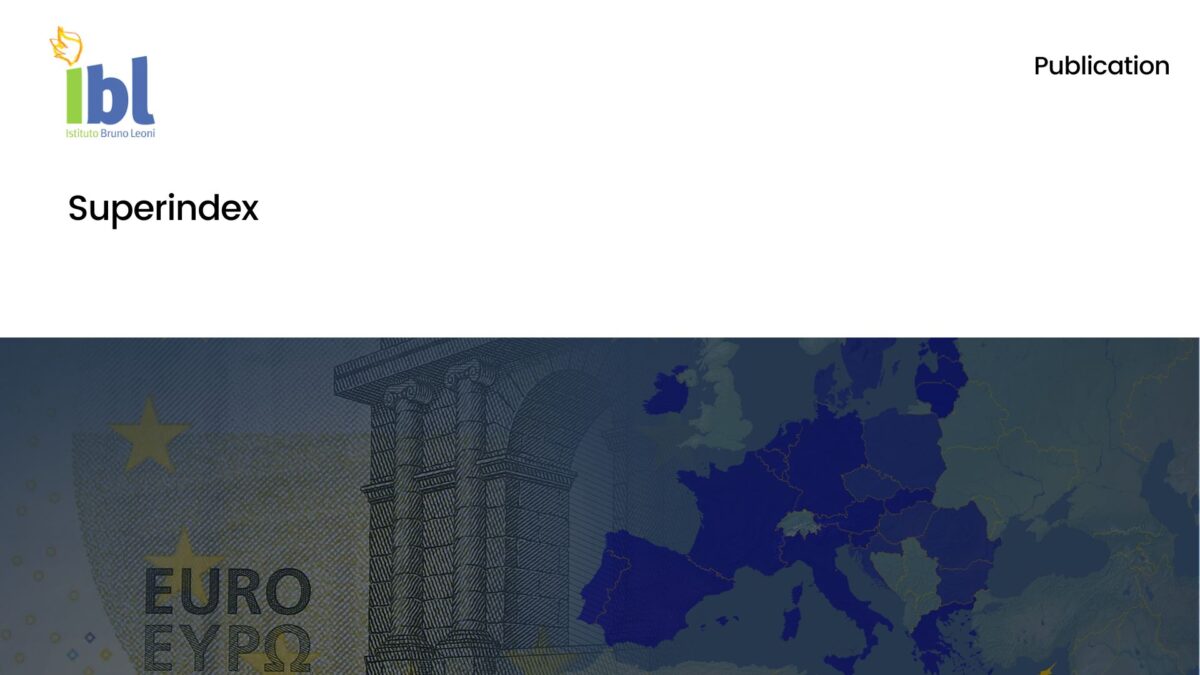
According to the latest IBL Super Index, the degree of internal divergence within Eurozone countries keeps increasing. This means that the gap between Eurozone periphery countries, such as – for example – Italy, and other comparable countries in the European Union is widening.
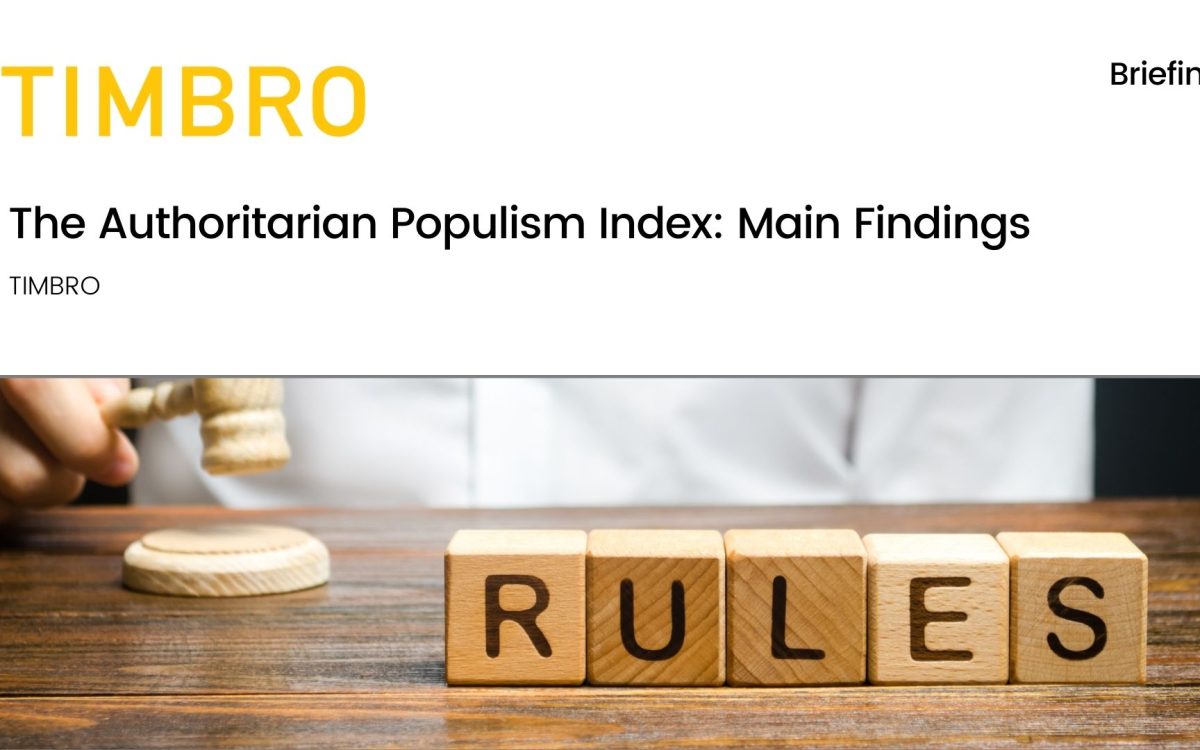
The Authoritarian Populist Index (TAP) includes both right- and left-wing populist parties and covers all national elections in 33 European countries, from 1980 to 2016. The Index shows an alarming development, with authoritarian and illiberal parties and ideas steadily gaining influence across the continent.