regulation

May 1, 2013

The Proof of the Pudding: Denmark’s Fat Tax Fiasco

Denmark’s fat tax remains the leading example of an ambitious anti-obesity policy being tested in the real world. The results failed to match the predictions of computer models and the failed experiment has since been largely swept under the carpet in public health circles.

March 1, 2013

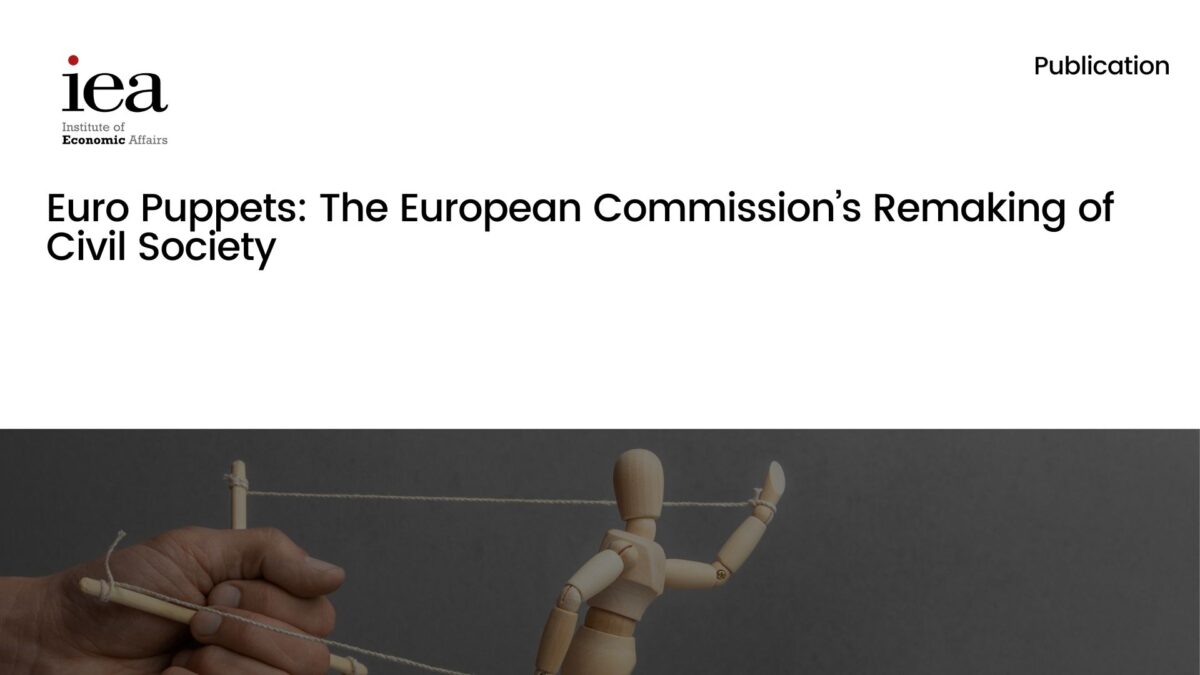
Euro Puppets: The European Commission’s Remaking of Civil Society

With public confidence in the European project waning, the idea of initiating a ‘civil dialogue’ with the public emerged in the mid-1990s as a way of bolstering the EU’s democratic legitimacy. Citizens have been ventriloquised through ‘sock puppet’ charities, think tanks and other ‘civil society’ groups which have been hand-picked and financed by the European Commission (EC).
October 1, 2012

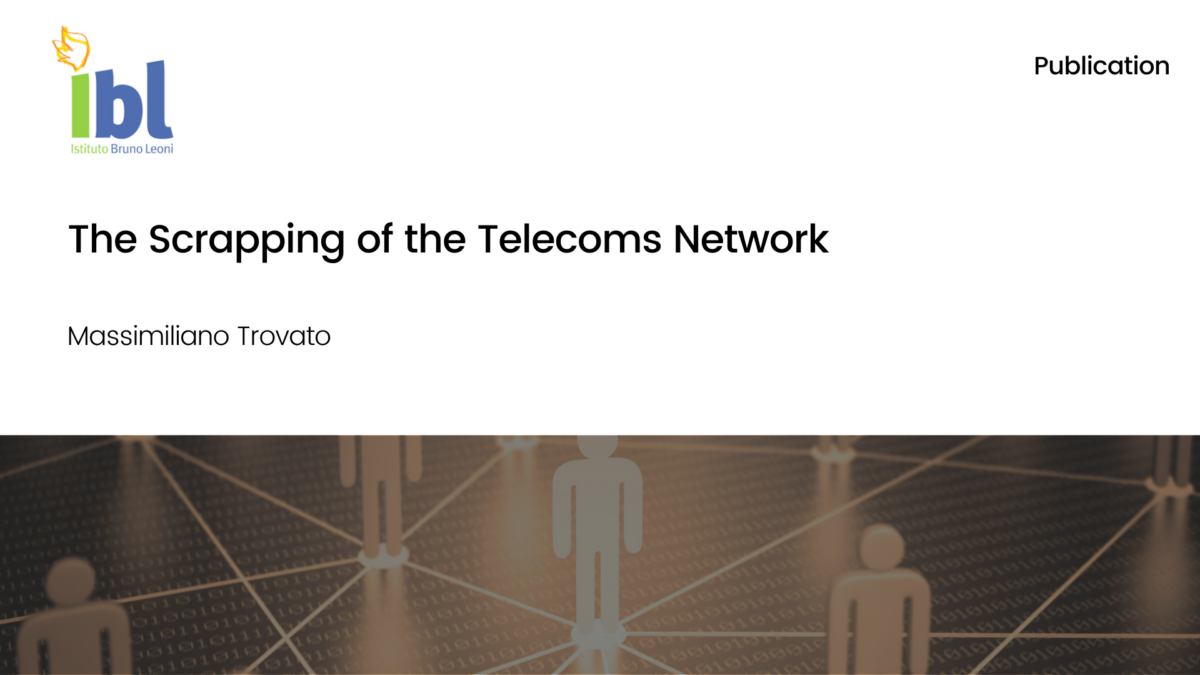
The Scrapping of the Telecoms Network

The break-up of the Telecom Italia network, while positive from a market competition perspective, could yet reveal itself as a tool for the former monopolist to determine the manner and time-frame in which it should take place.
June 1, 2012

A World Waiting for Antibiotics: Six Reasons Why Antibiotics Resistance Plagues the World

Every year, between 180 and 260 people in Sweden die as a result of antibiotic resistance. Responsibility for increasing antibiotic resistance is often placed on doctors and consumers. It is argued that customer-oriented physicians and self-serving patients are driving the problem through increased prescribing.
March 1, 2012

Peak Whale, Peak Oil: On Oil and the Role of Private Property in Natural-resource Conservation

There are no historical examples of a raw material running out. Even if the available amount of certain raw materials is very limited and the demand for many of them, such as gold, has been high over the millennia, they have not run out. The price mechanism has ensured that supply met demand.
March 1, 2012

The Energy Revolution is Already Here… But It Did Not Come From Where It Was Expected

Hydraulic fracturing, or ‘fracking’, has revolutionised world energy markets, making the United States into a net exporter of natural gas and drastically reducing its dependence on foreign oil. Because of the widespread availability of shale gas, many other countries could experience the same dramatic transformation.
June 1, 2011

Germany Says Goodbye to Nuclear Energy… for the Second Time

The cost of Ms Merkel’s decision to close all nuclear power stations by 2022 will be paid by all consumers. And it remains to be seen how German businesses will adapt so as not to endanger their international competitiveness.