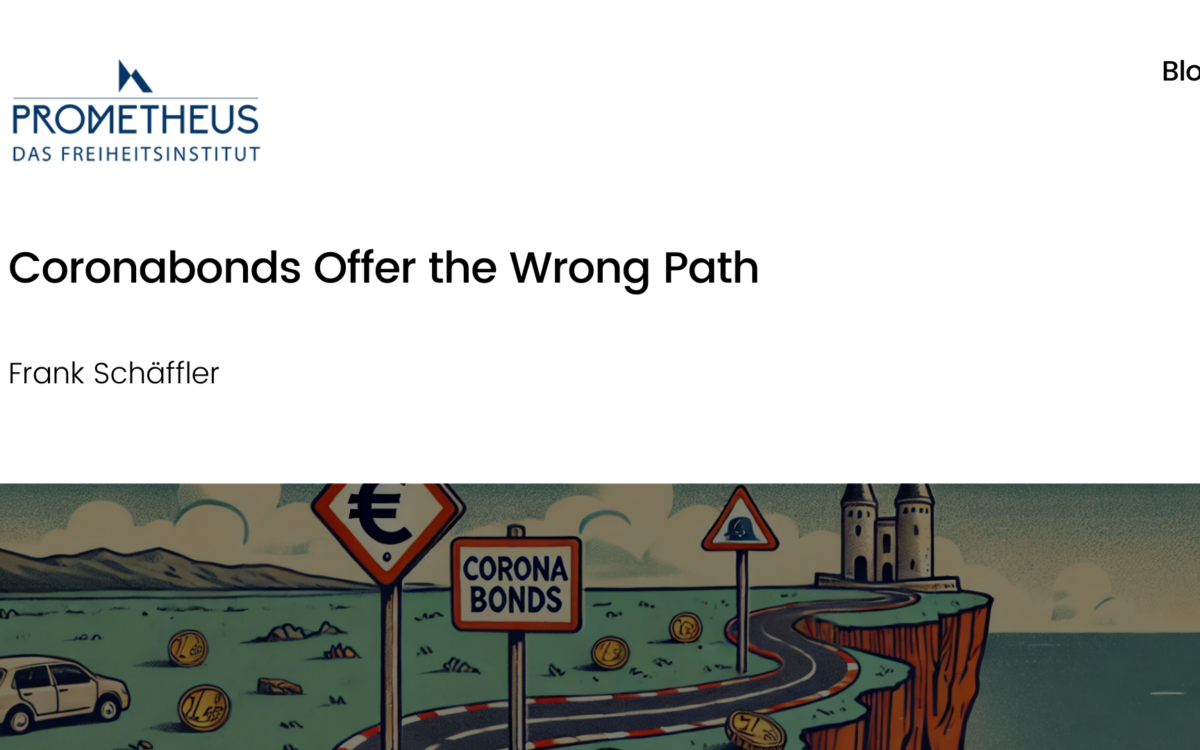
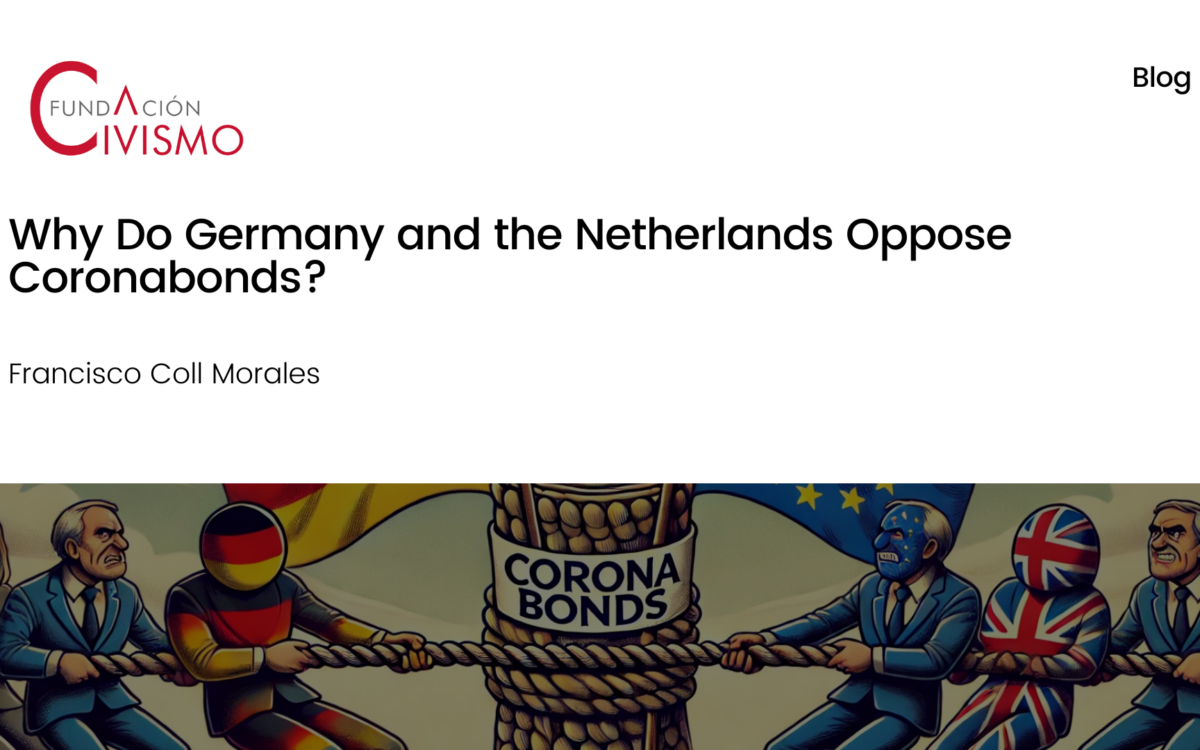
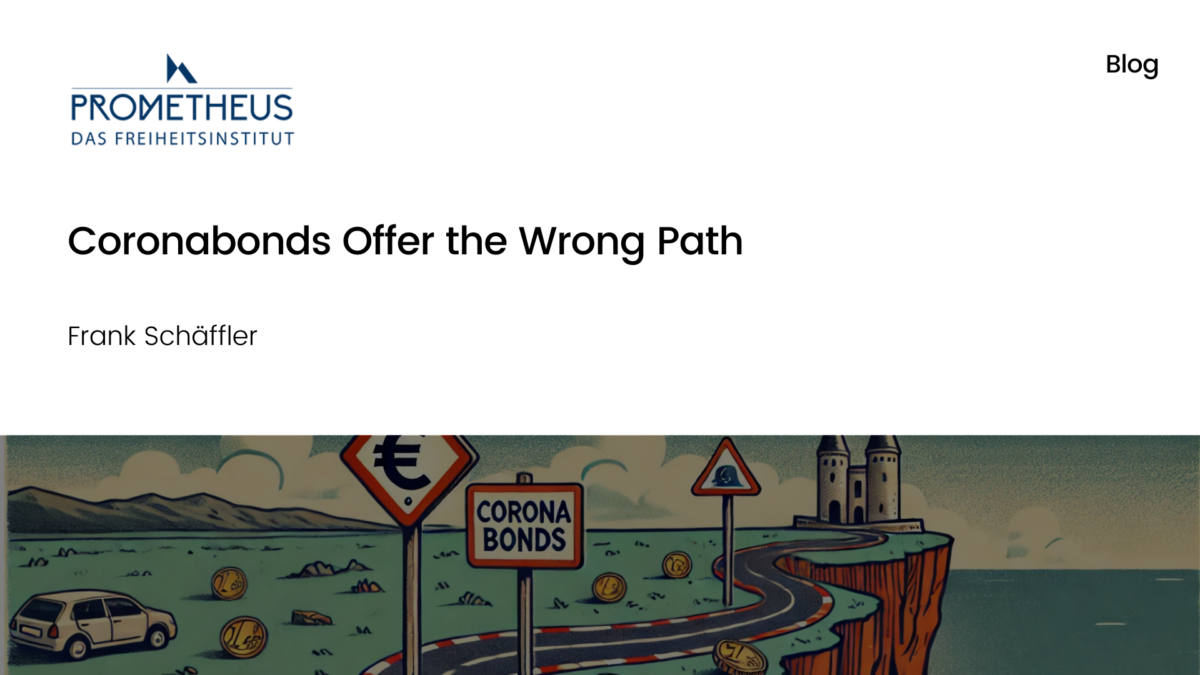
There has been a great deal of debate recently about the availability and desirability of various financial instruments to deal with the fallout from the Corona crisis.
The German newspaper ‘Süddeutsche Zeitung’ published an open letter by well-known artists about an initiative to issue Coronabonds in order to share the burden of the pandemic across the EU.
Despite being a fierce supporter of pro-Europeanism and market liberalisation in the past, Emmanuel Macron’s plans for European-wide protectionism has been relatively unsuccessful.
According to the 2019 International Tax Competitiveness Index (ITCI) rankings, Estonia holds the most-competitive position for the sixth year in a row, while France ranks at the bottom of the index.
The new EU-Mercosur Agreement only superficially rejects protectionism. As much as it liberalises trade, it also protects European defensive interests and extends the EU’s regulatory influence, to the detriment of Mercosur producers and European consumers.
In January the European Union announced a ‘significant’ increase of customs duties on Indica rice produced in Cambodia and Myanmar and exported to the EU.