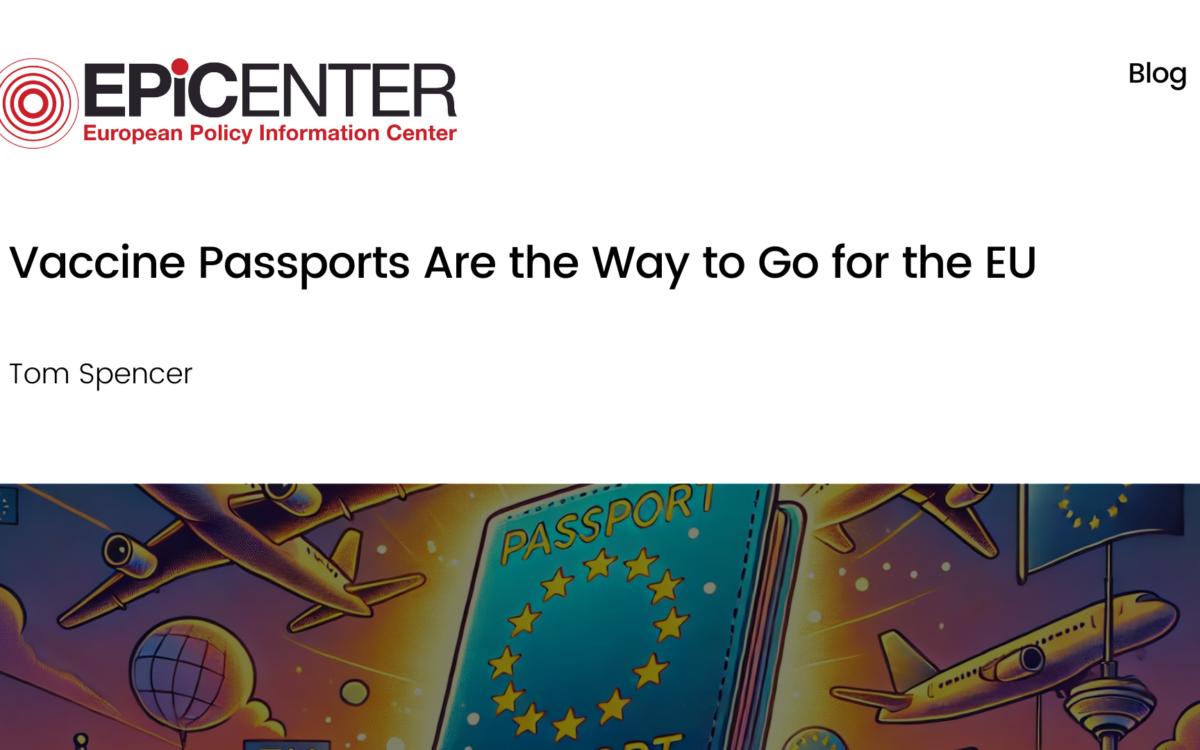
Vaccine passports are all the rage right now in the EU. One of the largest consequences of the pandemic has been significant restrictions to free movement.
While the EU has been criticised for its lack of preparation, guidance, and strong unified response amidst the SARS-CoV-2 pandemic, the arrival of vaccines offered Brussels yet another chance to prove the benefits of close cooperation and demonstrate leadership.
A report published by the European Commission on 3 February 2021 proposes a range of nanny state interventions intended to reduce the consumption of alcohol, tobacco, e-cigarettes and ‘unhealthy food’ (European Commission 2021).
The way obesity is measured throughout the EU and OECD countries is significantly flawed. This paper shows that existing international comparisons measuring obesity are flawed as a result of inaccurate data being compiled on a national level.
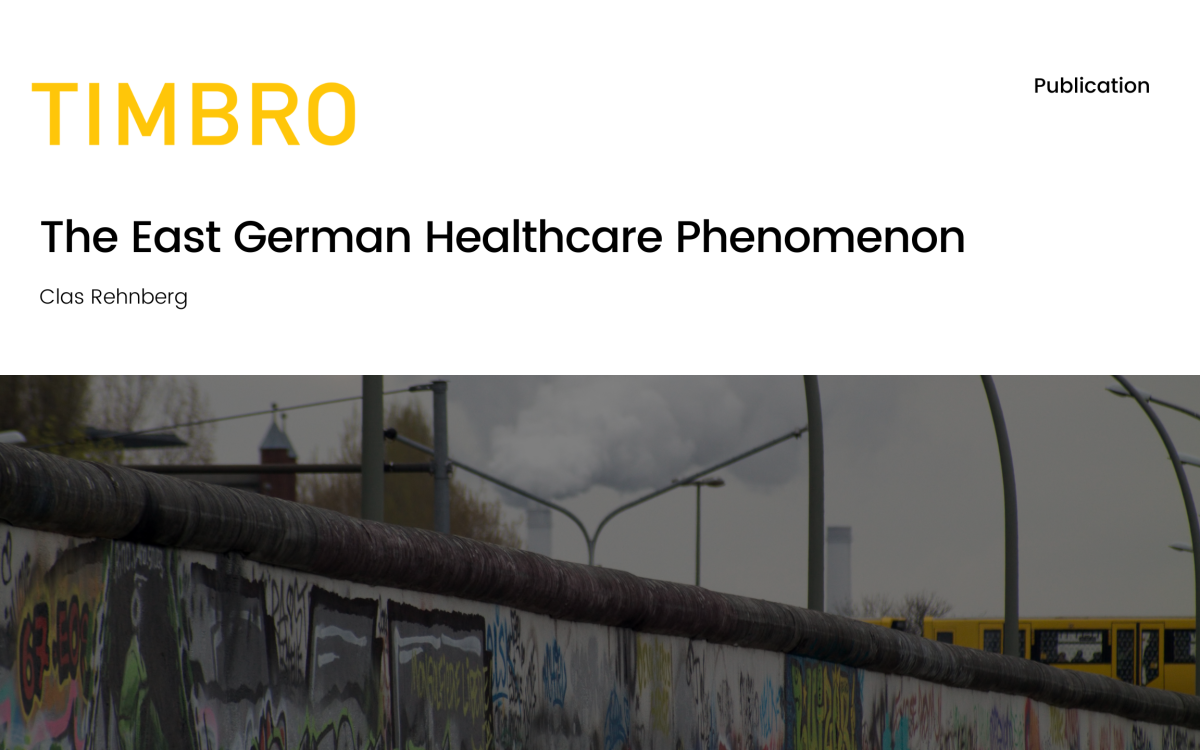
The reunification of West Germany and East Germany took place 30 years ago, ending a period of around 45 years during which Germany had been divided. Following reunification, extensive investments were made in the eastern part of the country in order to even out differences in infrastructure, industrial development and access to education and healthcare.
The World Health Organization (WHO) and Public Health England (PHE) have been widely criticised for their response to the Covid-19 pandemic. Serious questions have been asked regarding their competence.
Socio-economic systems should be understood as ‘complex’ phenomena that cannot effectively be controlled or managed through central planning. In general, markets and other decentralised governance mechanisms that rely on competition and signalling are better placed to facilitate learning and adaptation in conditions of complexity.