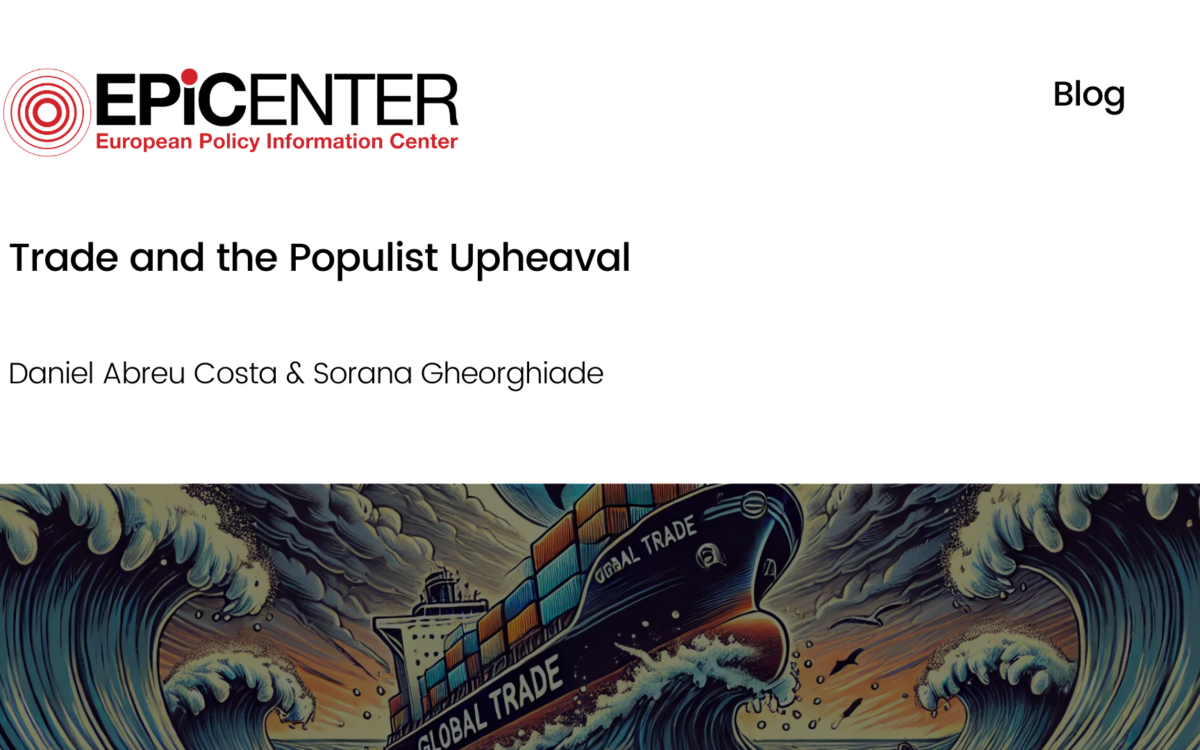
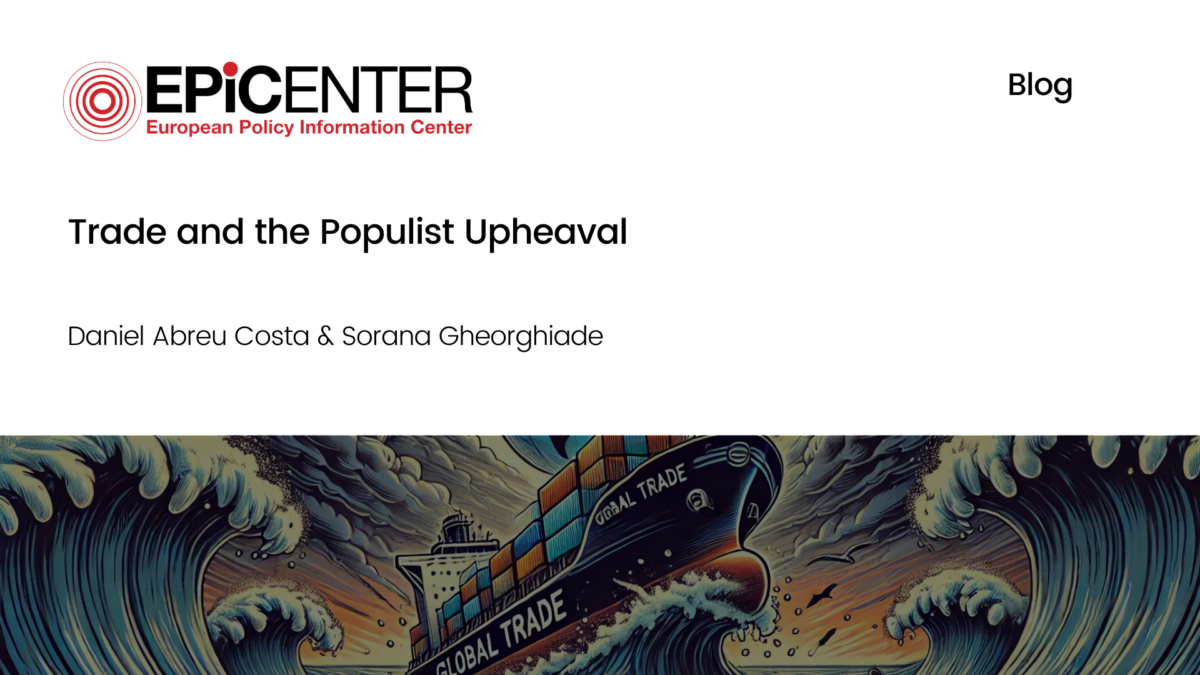
In the recent European elections, authoritarian populist parties, gained a great number of seats (almost 24% of the total) in the European Parliament (EP).
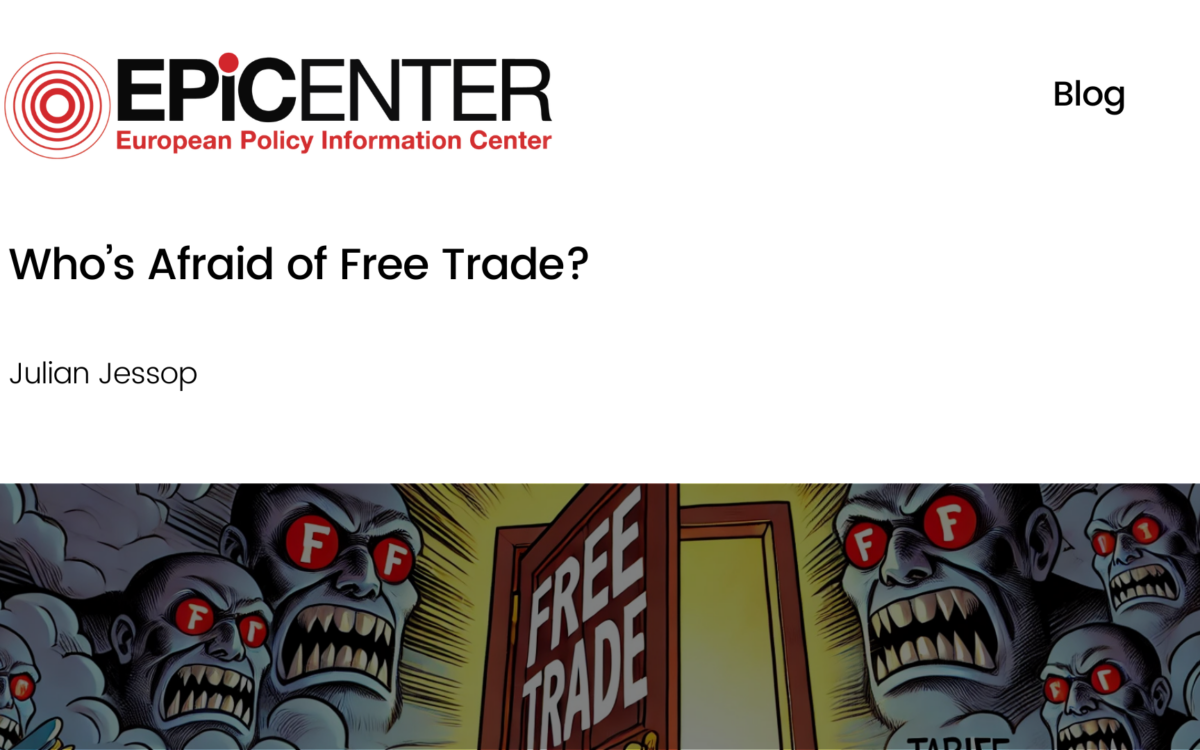
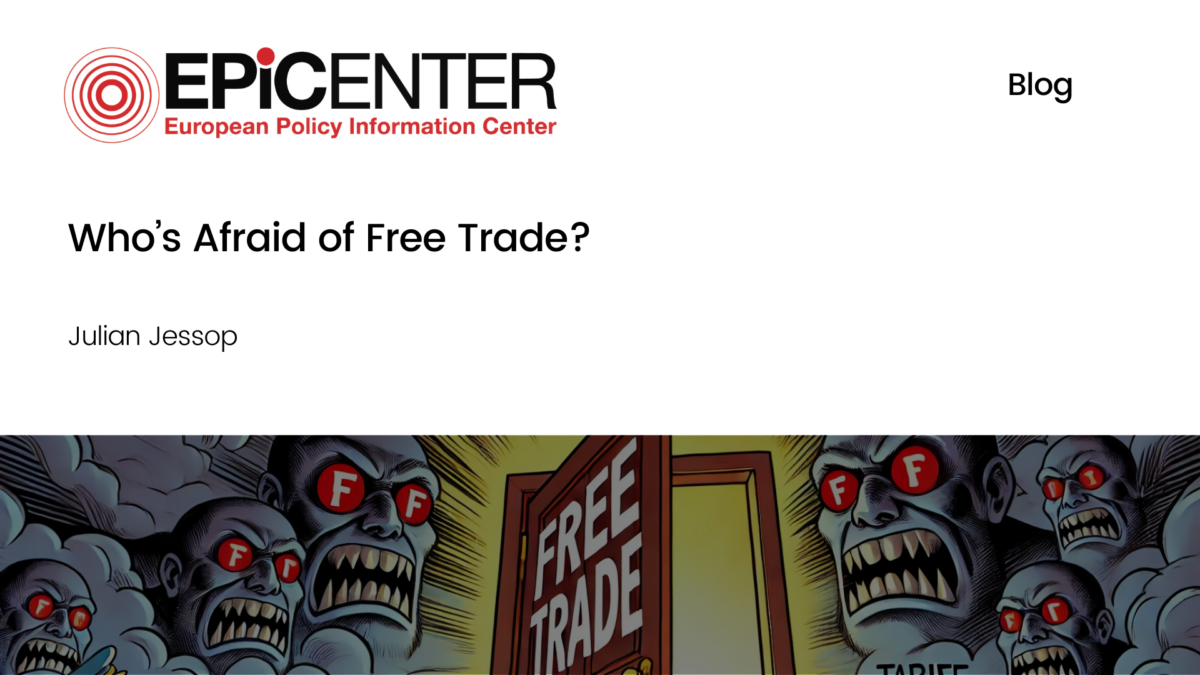
Free trade improves the well-being of all parties to it. The most significant way that trade achieves this outcome is by enabling and incentivising specialisation in production, and also encouraging mechanisation and innovation. As specialisation deepens, and as mechanisation and innovation advance, the per-person output of goods and services increases.
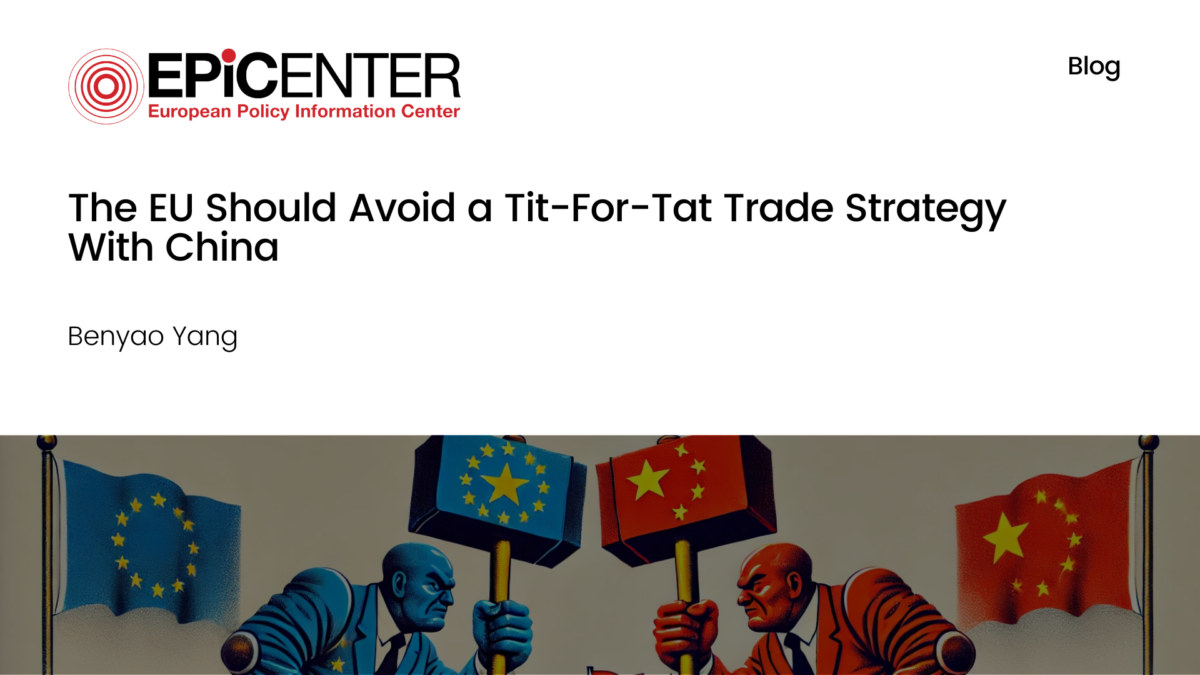
The UK might appear to have the most to lose from Brexit if City firms find it harder to sell financial services into the EU. But London has actually consolidated its position as the world’s leading financial centre since the vote to leave, helped by strong signals that the UK at least will keep its markets open. The EU should follow this lead.
The 2017 IBL Index of Liberalisations aims to shed light on the degree of openness of the 28 Member States by examining ten different economic sectors. First published in 2007, the Index began classifying all of the 28 EU Member States in 2015.
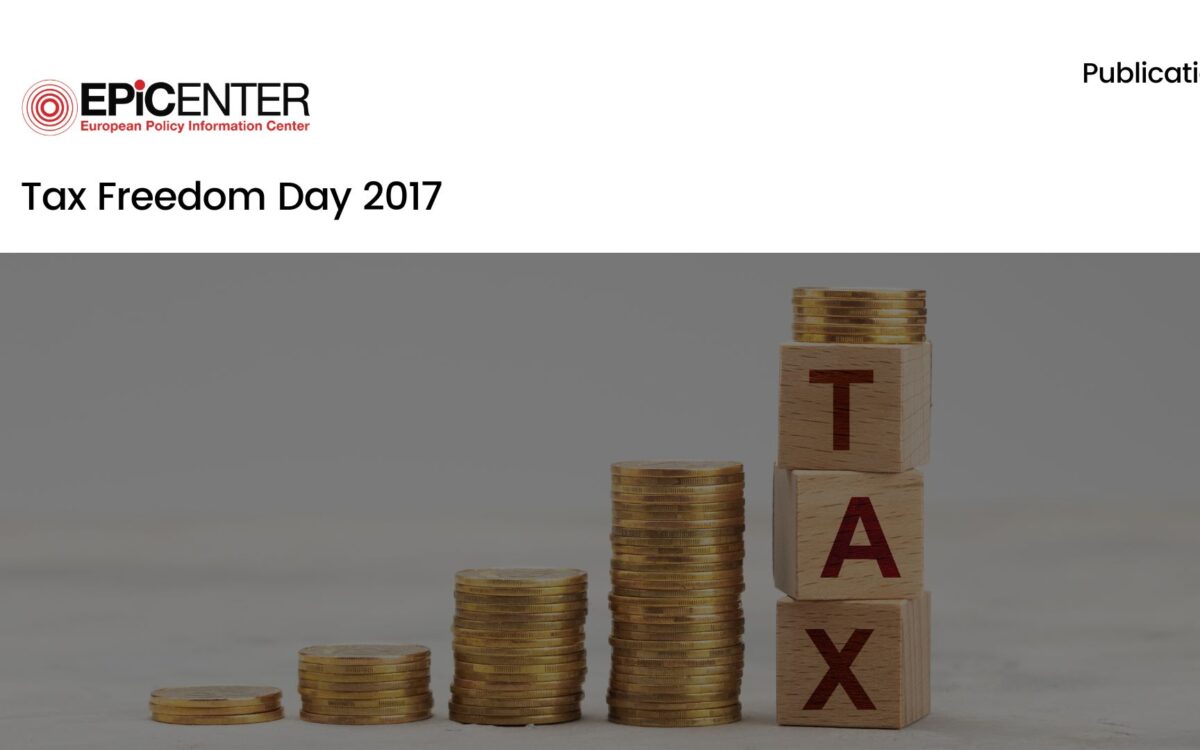
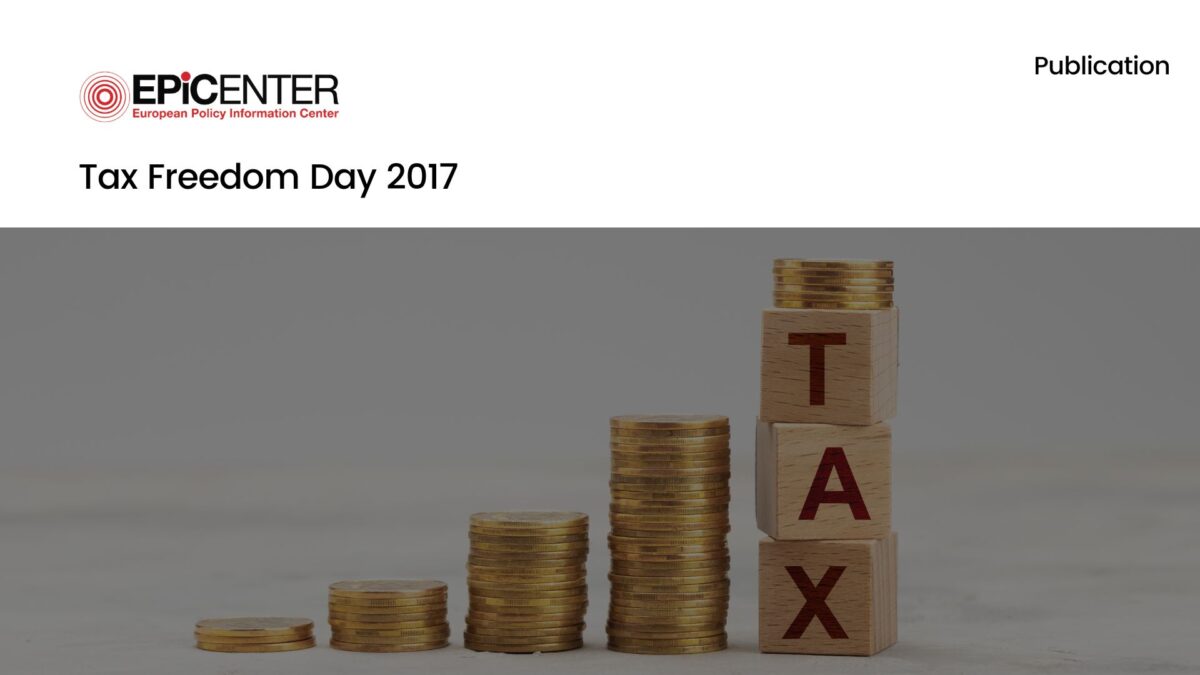
The purpose of this study is to compare the tax and social security burdens of individual employees earning typical salaries in each of the 28 member states of the European Union and, in doing so, to determine a “tax liberation day” — measuring how much of each year’s work is devoted to paying taxes — for workers in each country.
In 2017, the average Spaniard will have worked 178 days in order to fulfill their tax obligations. In other words, Tax Freedom Day, calculated annually by Think Tank Civismo, takes place on 28 June, one day ahead of last year’s.