This paper examines the European Commission’s proposal for an optional “28th Regime”, a single, EU-wide corporate framework intended to reduce regulatory fragmentation and strengthen Europe’s competitiveness.
The more tasks the Federal Reserve takes on, the more difficult it will be to maintain its independence. Especially if, in addition to ‘exercising powers that belong to the Treasury Department’, the central bank deals with ‘social problems’ such as climate change or inclusion, to which there are various policy responses but no technical, neutral approach.
The concept of the digital euro – a form of electronic money issued by the European Central Bank (ECB) – is rapidly moving from theory to reality; yet, its fundamental purpose remains ambiguous.
According to the Treaty on the Functioning of the European Union, adopting the euro as the national currency is a mandatory requirement unless an explicit exception is agreed upon.
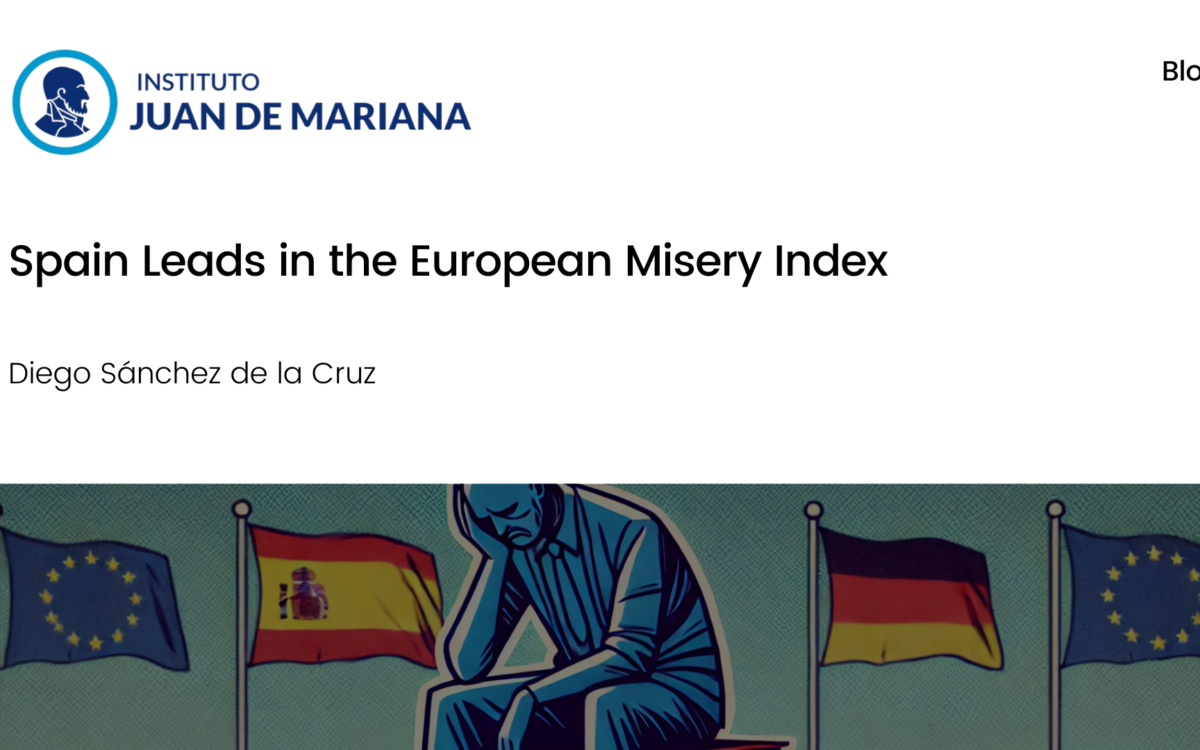
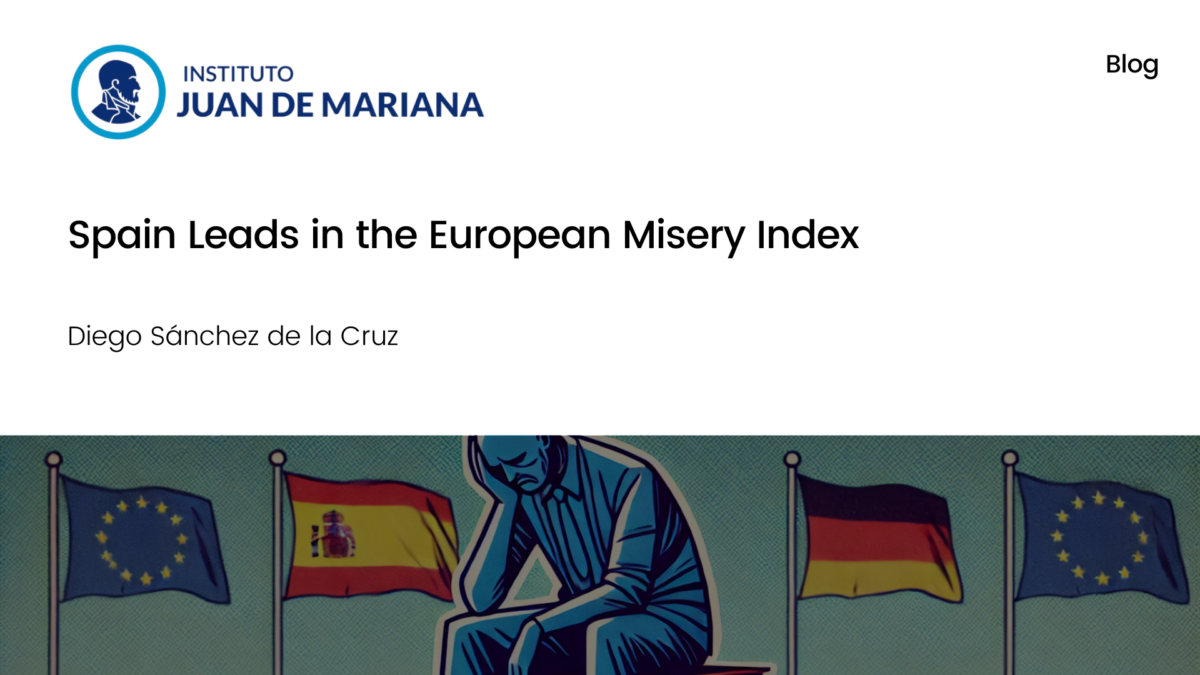
The newly released Misery Index, compiled by the Instituto Juan de Mariana, provides a detailed analysis of economic hardship across the European Union, focusing on unemployment and inflation as its key indicators.
The Experience of Free Banking outlines a monetary system where private banks issue competing banknotes, usually anchored to a commodity like gold or silver, replacing the central bank’s role.