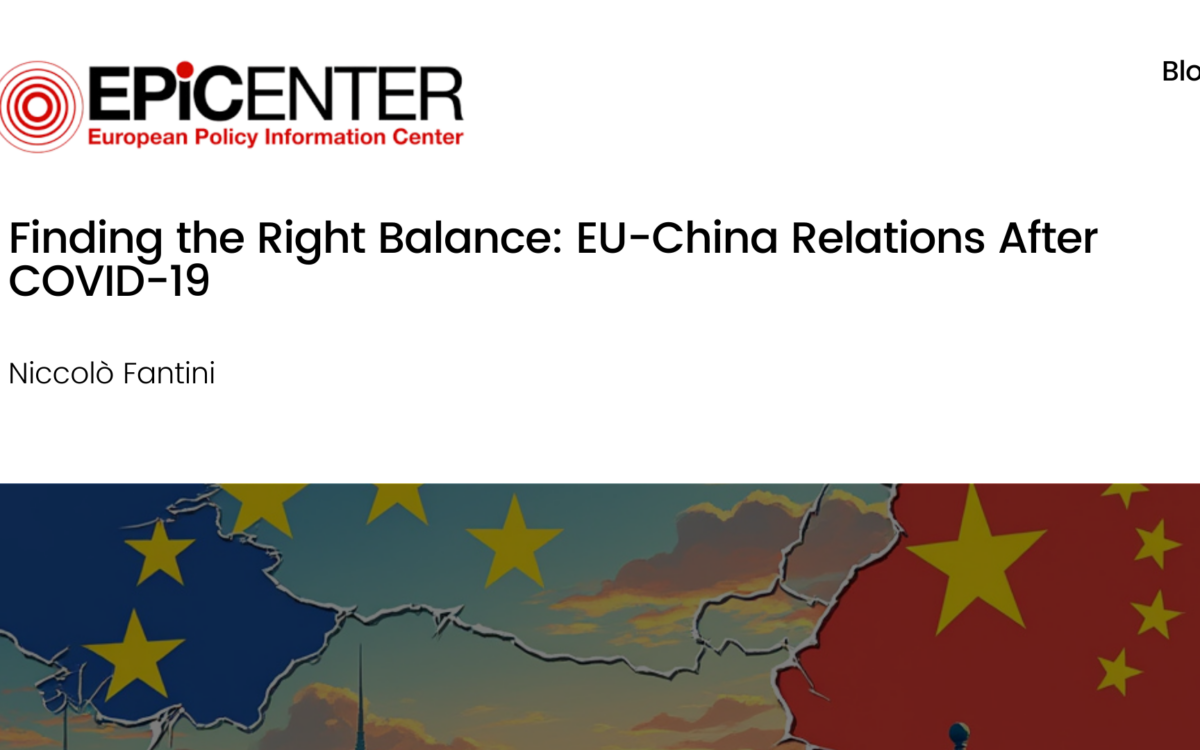
The virtual meeting between top-level EU and Chinese officials on 14 September appears to be an ironic metaphor of the increasing distance in the relationship.
COVID-19 has caused huge disruptions to global trade and supply chains, both directly and indirectly (as a result of policy responses: lockdowns, social distancing measures etc).
A digital services taxation framework within the EU has been discussed widely over the course of the last two years, with the State of the European Union address revealing a renewed commitment to coming up with a more specific proposal in early 2021.
Nationalism and populism have permeated the sphere of global politics in the 21st century, and the EU is no exception. This particular change in the political environment inevitably causes changes in economic policy, as populist leaders tend to increase governmental spending, focus on more protectionist policies, and raise trade barriers.