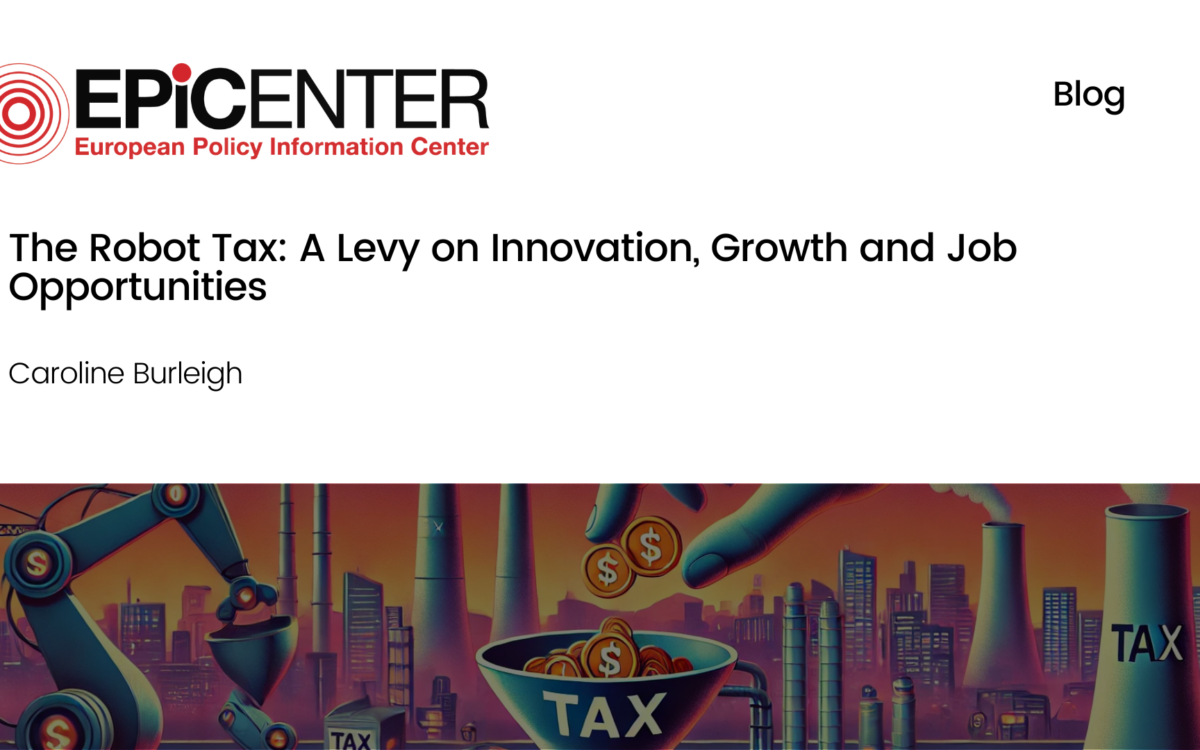
During his recent electoral campaign, the defeated socialist French presidential candidate, Benoît Hamon, repeatedly hinted at a potentially radical proposal: To impose a tax on robots.
Originally suggested and then subsequently shelved in 2011, the Common Consolidated Corporate Tax Base is a policy designed to create a unified set of rules to calculate companies’ taxable profits across the EU.
During the latest plenary session of the European Committee of the Regions, ECR President Markku Markkula painted a strikingly positive picture of the EU cohesion policy.
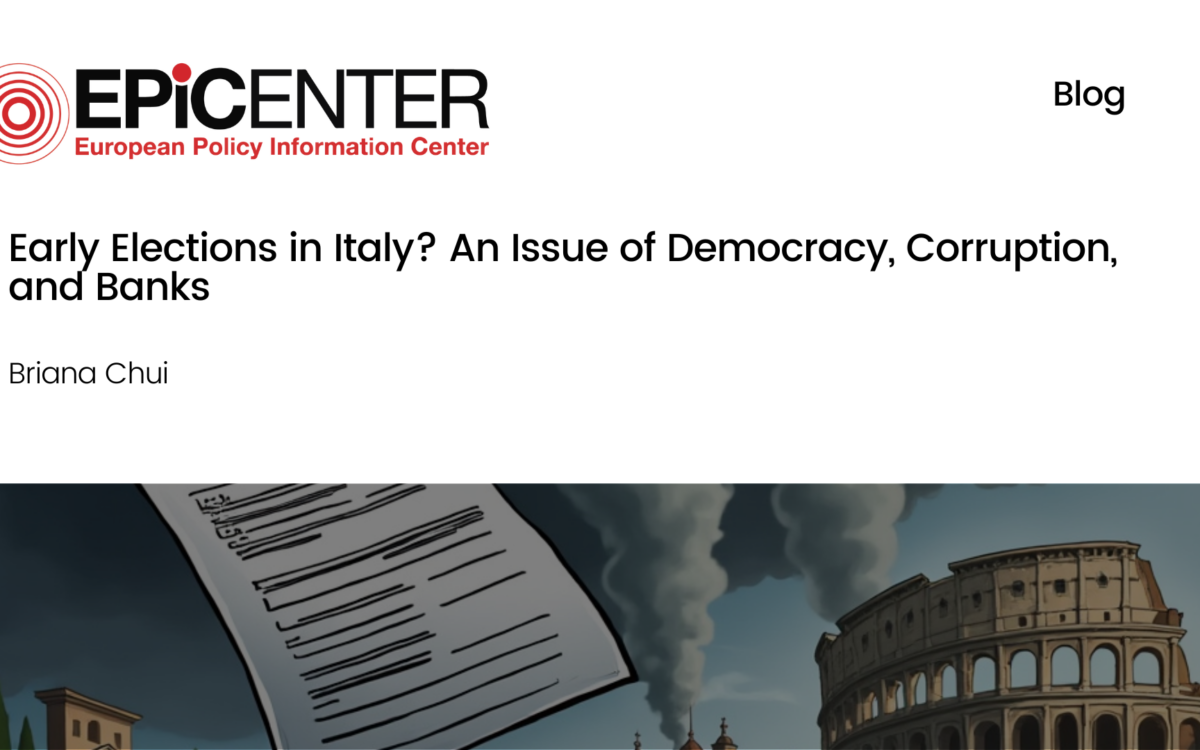
With the potential for an early election by the end of the year, Italy must face the realities of its democratic system: cronyism and corruption; weak banks and Eurozone difficulties; and the suspicious, undeniable, link between the two.
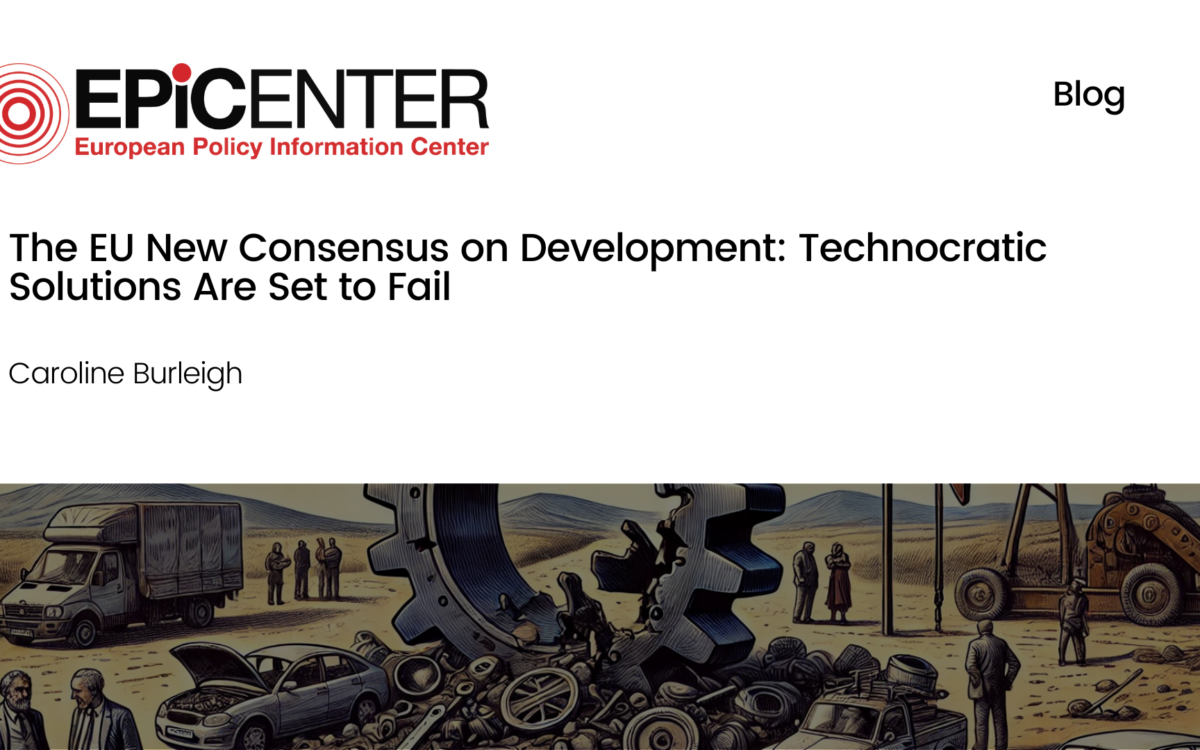
The 2005 European Consensus on Development is a policy statement that commits the EU to eradicating global poverty, tackling inequalities, and building a fairer and more stable world.
The European Commission released the European eGovernment Action Plan 2016-2020 which lines up the goals for the EU’s progress towards a digitalised system.
The situation on the Spanish labour market is being debated by specialists and policy makers with respect to two central questions: on the one hand, the type of employment that is being generated following the crisis and, on the other hand, the medium-to-long term sustainability of this job creation.