A response to the European Commission’s findings in its 2014 consultation on investment protection and the investor-state dispute settlement (ISDS) in TTIP, including the four areas for further improvement identified by DG TRADE.
It is vital to understand that the impact of nutrition taxes on the consumption of nutritionally poor food is unclear and that there is a sizable risk of instituting additional constraints on the country’s economic activity without getting the expected public health benefits.
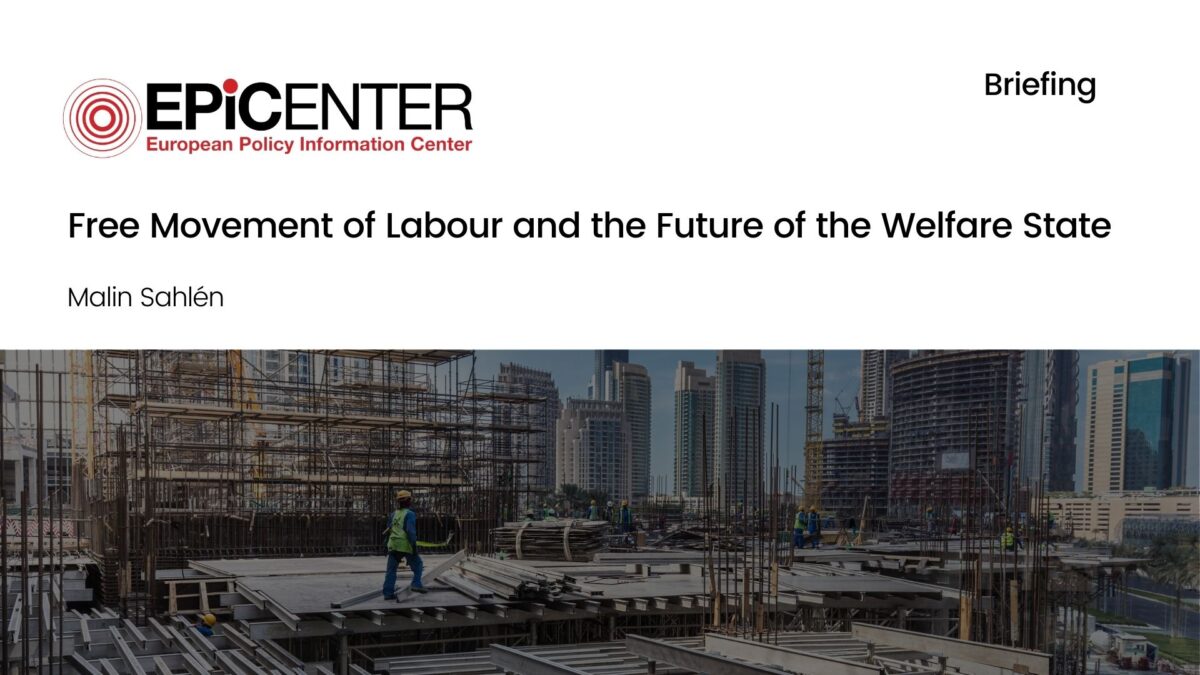
The free movement of workers across Member States is one the main historic achievements of the European integration process. Not only is such freedom important from the individual worker’s perspective, dramatically increasing the scope of potential employment opportunities. In a situation of uneven economic development, such mobility has also proven to be an important mechanism as a free-market regulator.
Five years since the outbreak of the most severe economic crisis of our time, there is widespread consensus that today’s levels of unemployment, exclusion, deficit, and debt are unsustainable and need to be addressed. Yet the ongoing debate on “austerity vs. growth” is misleading and false.
LFMI made a thorough analysis of European Commission’s proposal for the Tobacco directive (2001/37/EC), related public consultation and scientific evidence which was used in developing the proposal and provides comments and suggestions regarding the proposal.
Western governments have developed unfunded social insurance programmes where retiree benefits are paid for from the taxes of the working-age population. This means that an ageing population leads to rising expenditures that cannot be covered without increasing taxes on the young.
Current obligations by the EU to decrease GHG emissions by 20% by 2020 are the most ambitious among industrialised nations. Because of these obligations EU citizens and businesses are experiencing an increasing fnancial burden, EU businesses are losing competitiveness vis-à-vis other industrial or industrialising nations, and a huge bureaucracy has been created that shall perforce have an interest to perpetuate itself.
For a short period, around the turn of the millennium, the UK energy market was highly competitive, offering choice to consumers and keeping prices in check.