Publications

April 1, 2013

On Our Way to 9 Billion: Can Europe Afford to Lose Out on the Potential of GMOs?

By 2050 the world will need to produce almost twice as much food and feed in the same agricultural area as today. Modern genetic engineering – with crops that use water, nutrients, energy, and land more efficiently – is one of the keys.
March 1, 2013

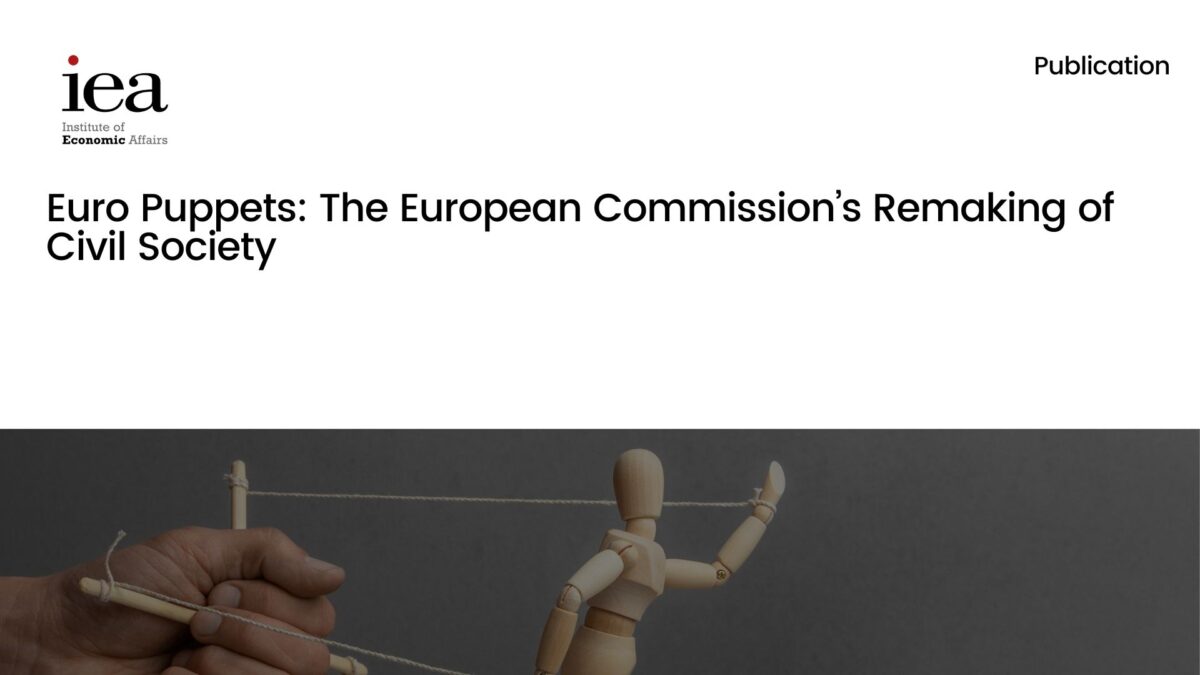
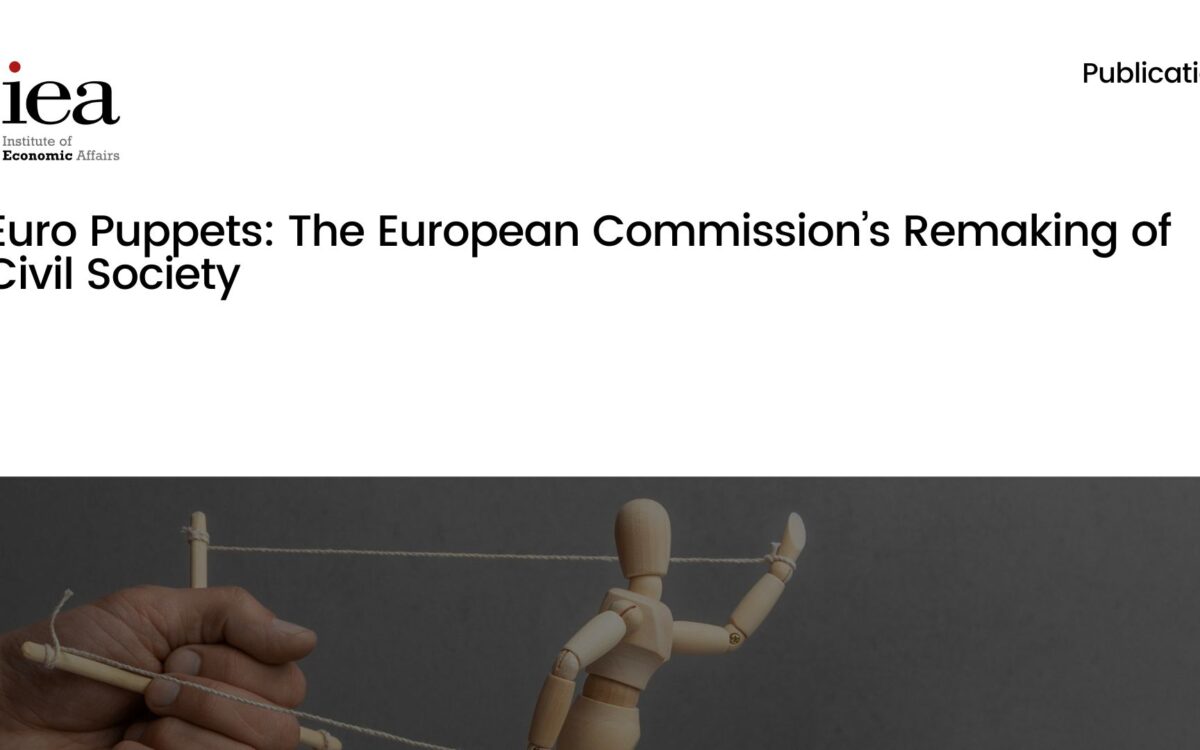
Euro Puppets: The European Commission’s Remaking of Civil Society

With public confidence in the European project waning, the idea of initiating a ‘civil dialogue’ with the public emerged in the mid-1990s as a way of bolstering the EU’s democratic legitimacy. Citizens have been ventriloquised through ‘sock puppet’ charities, think tanks and other ‘civil society’ groups which have been hand-picked and financed by the European Commission (EC).
November 1, 2012

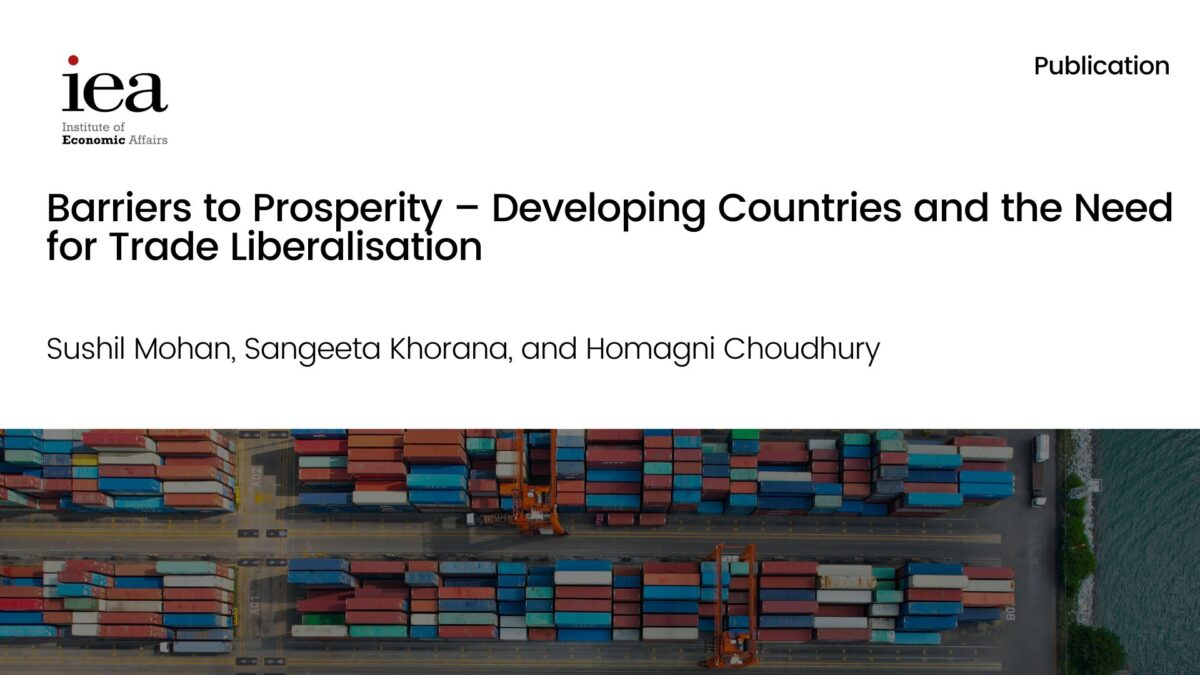
Barriers to Prosperity – Developing Countries and the Need for Trade Liberalisation

Non-tariff barriers are an important impediment to trade for less developed countries. They need to be brought to the forefront of the trade debate if developing countries are to move into the export of higher value added products.
October 1, 2012

The Scrapping of the Telecoms Network

The break-up of the Telecom Italia network, while positive from a market competition perspective, could yet reveal itself as a tool for the former monopolist to determine the manner and time-frame in which it should take place.
June 1, 2012

A World Waiting for Antibiotics: Six Reasons Why Antibiotics Resistance Plagues the World

Every year, between 180 and 260 people in Sweden die as a result of antibiotic resistance. Responsibility for increasing antibiotic resistance is often placed on doctors and consumers. It is argued that customer-oriented physicians and self-serving patients are driving the problem through increased prescribing.
June 1, 2012

The Shadow Economy

Measurement of the shadow economy is notoriously difficult as it requires estimation of economic activity that is deliberately hidden from official transactions. Surveys typically understate the size of the shadow economy but econometric techniques can now be used to obtain a much better understanding of its size.

Share this content

EPICENTER publications and contributions from our member think tanks are designed to promote the discussion of economic issues and the role of markets in solving economic and social problems. As with all EPICENTER publications, the views expressed here are those of the author and not EPICENTER or its member think tanks (which have no corporate view).

Subscribe

* indicates required

EPICENTER publications and contributions from our member think tanks are designed to promote the discussion of economic issues and the role of markets in solving economic and social problems. As with all EPICENTER publications, the views expressed here are those of the author and not EPICENTER or its member think tanks (which have no corporate view).

Privacy Overview

This website uses cookies so that we can provide you with the best user experience possible. Cookie information is stored in your browser and performs functions such as recognising you when you return to our website and helping our team to understand which sections of the website you find most interesting and useful.