Publications

December 13, 2017

Super Index 2017

According the latest IBL Super Index, Italy is the sick man of Europe. Despite relatively rosy macroeconomic projections for the whole EU, the gap between Italy and its European partners has increased five fold since 2014.
December 12, 2017

Employment Flexibility Index 2018

Denmark, the UK, and Ireland are the leading countries in the 2018 edition of LFMI’s Employment Flexibility Index. Portugal, Luxembourg, and France are the most rigid labour markets within the EU28.
November 22, 2017

No Platform? On the Economics of P2b Exchange

The picture that emerges from the EC surveys of consumers and business regarding platforms is not of a market in which users are routinely abused. Rather, what we observe is a market where users are broadly happy, although they agree that things could always be better. Crucially, they have ways to make their discontent heard.
November 7, 2017

The Day European Union Governments Spent the Last of Their Annual Revenues

EU central governments use up their resources December 6 on average, 25 days before the end of the year. This is almost seven days later than the year before, representing a significant improvement.
October 18, 2017

The Future of EU Finances

This Position Paper is a response to the Reflection Paper on the Future of EU Finances by the European Commission. The goal of this Paper is to evaluate the outlook for EU Budget, its trends and ongoing discussions and to present EU budget reform solutions that would change Europe, make it prosperous.
September 29, 2017

Perspectives for Poland

In the last 25 years, the Polish economy has grown faster than the economies of Western Europe and the US, which enabled a significant reduction of the distance separating it from richer countries. Annual GDP growth in the years 1992–2011 was 4.1%, which was the best result among those Central and Eastern European countries that started to transform at the same time as Poland.
July 27, 2017

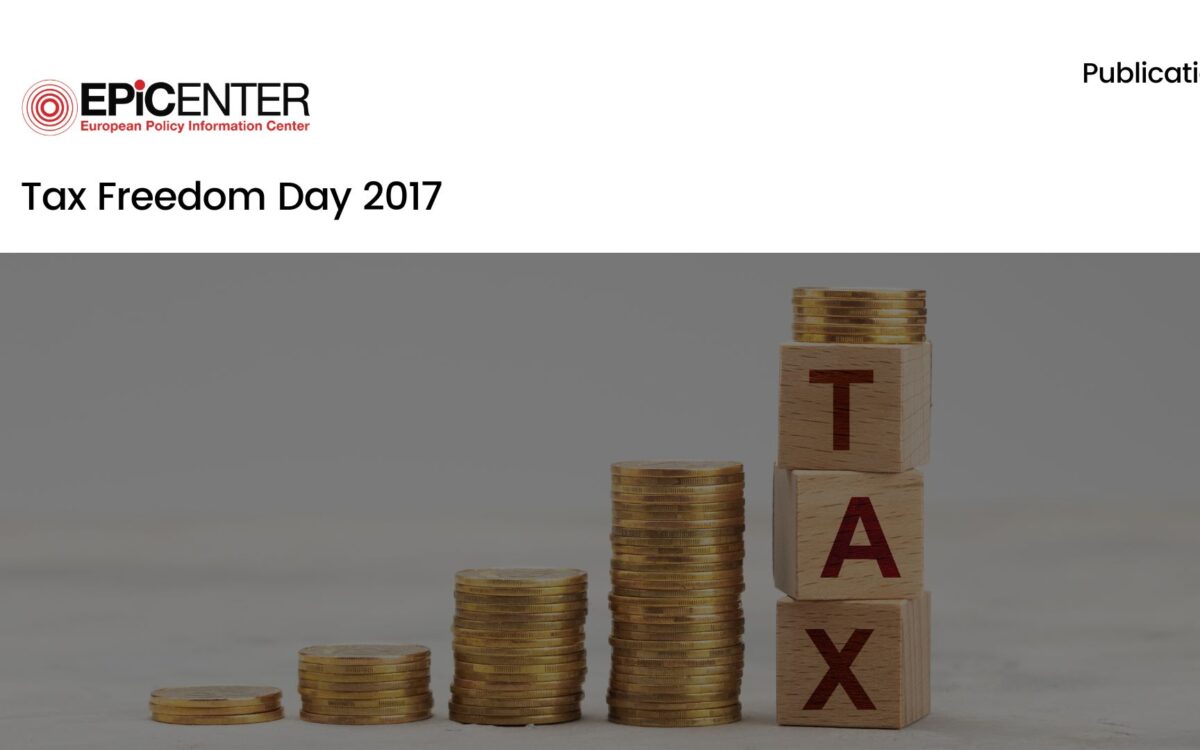
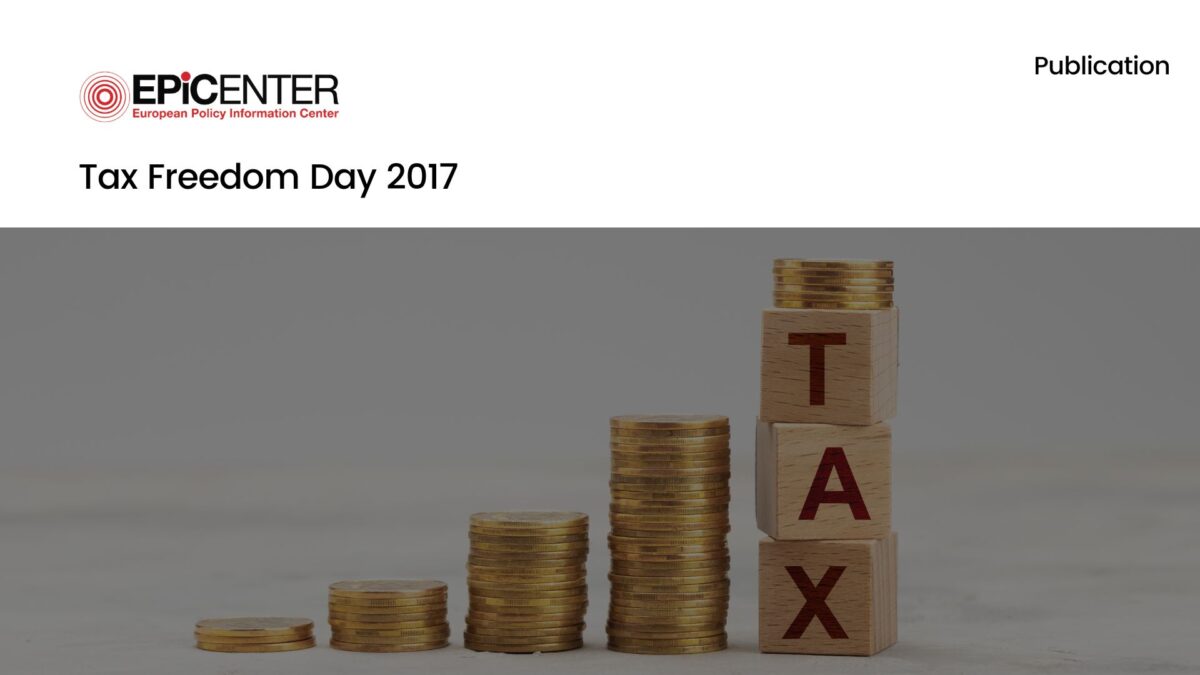
Tax Freedom Day 2017

The purpose of this study is to compare the tax and social security burdens of individual employees earning typical salaries in each of the 28 member states of the European Union and, in doing so, to determine a “tax liberation day” — measuring how much of each year’s work is devoted to paying taxes — for workers in each country.

Share this content

EPICENTER publications and contributions from our member think tanks are designed to promote the discussion of economic issues and the role of markets in solving economic and social problems. As with all EPICENTER publications, the views expressed here are those of the author and not EPICENTER or its member think tanks (which have no corporate view).

Subscribe

* indicates required

EPICENTER publications and contributions from our member think tanks are designed to promote the discussion of economic issues and the role of markets in solving economic and social problems. As with all EPICENTER publications, the views expressed here are those of the author and not EPICENTER or its member think tanks (which have no corporate view).

Privacy Overview

This website uses cookies so that we can provide you with the best user experience possible. Cookie information is stored in your browser and performs functions such as recognising you when you return to our website and helping our team to understand which sections of the website you find most interesting and useful.