Briefings

May 1, 2017

Time to Re-think the EU Trade Policy

As of 2017, the EU has 44 trade agreements in place with more than 60 countries across the globe. In addition, five accords have been finalised but are not yet being applied (with East African countries, Ecuador, Singapore, Vietnam and West Africa).
April 1, 2017

Skill Mismatch: the New Challenge for Spain

As the Spanish economy recovers, rethinking education reform should be a top priority. Spanish workers are Europe’s most overqualified, but also suffer from the greatest skill mismatch, lacking the skills necessary for their jobs.
April 1, 2017

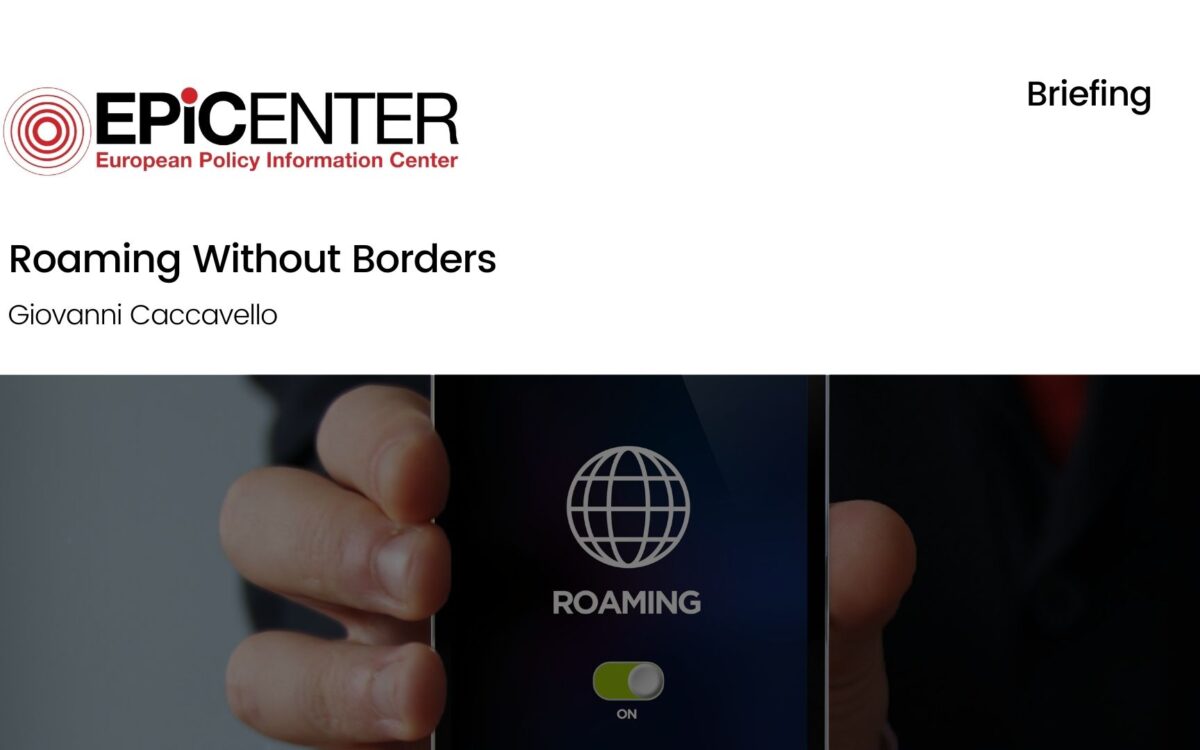
Roaming Without Borders

Following the latest European Commission proposal on wholesale roaming surcharges across the EEA, on 5 and 6 April, MEPs will debate on and vote for amending Regulation (EU) No 531/2012 as regards rules for wholesale roaming markets.
April 1, 2017

Education 4.0

Current schooling systems are badly equipped to deal with rapid technological innovation and changing work patterns such as the sharing economy and the rise of portfolio careers. This is particularly true of southern European countries where centralisation has restricted educational freedom and has led to weaker student performance and persistently high rates of youth unemployment
April 1, 2017

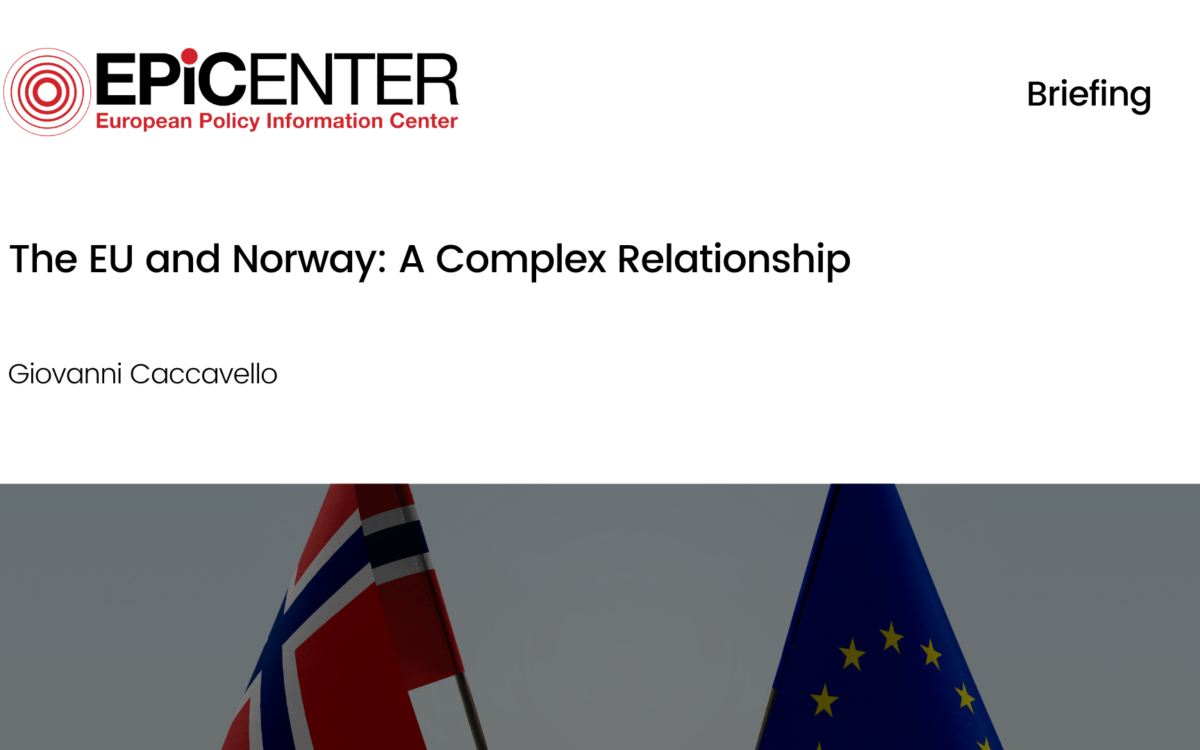
The EU and Norway: A Complex Relationship

The EEA Agreement was signed in 1992, and entered into force in 1994. Until now, EEA EFTA countries have been able to enjoy the benefits of the European Single Market whilst remaining outside of Brussels’ ever-closer-union agenda.
March 1, 2017

Cheap as Chips: is a Healthy Diet Affordable?

It is widely believed that healthy eating is relatively expensive whereas ‘junk food’ is relatively cheap. This has led to an assumption that poor diets and obesity are directly caused by economic deprivation.
March 1, 2017

Regulations and Complexity Harm EU Labour Mobility

Labour market mobility in the European Union is increasing, but it remains too low to provide sufficient internal socio-economic adjustments. This situation reflects non-policy factors, such as linguistic and cultural differences, but also policy barriers. In particular, difficulties in the recognition of skills and professional qualifications and occupational licensing are still major hurdles.
March 1, 2017

The Importance of an Anti-lobbying Clause

The composition of civil society at the EU level is largely dictated by which groups the European Commission chooses to fund. Furthermore, citizens have not been consulted directly on this. Instead they have been ventriloquised through a select group of charities, think tanks and other organisations which are directly financed by the EU.

Share this content

EPICENTER publications and contributions from our member think tanks are designed to promote the discussion of economic issues and the role of markets in solving economic and social problems. As with all EPICENTER publications, the views expressed here are those of the author and not EPICENTER or its member think tanks (which have no corporate view).

Subscribe

* indicates required

EPICENTER publications and contributions from our member think tanks are designed to promote the discussion of economic issues and the role of markets in solving economic and social problems. As with all EPICENTER publications, the views expressed here are those of the author and not EPICENTER or its member think tanks (which have no corporate view).
Privacy Overview

This website uses cookies so that we can provide you with the best user experience possible. Cookie information is stored in your browser and performs functions such as recognising you when you return to our website and helping our team to understand which sections of the website you find most interesting and useful.