EPICENTER

December 14, 2016

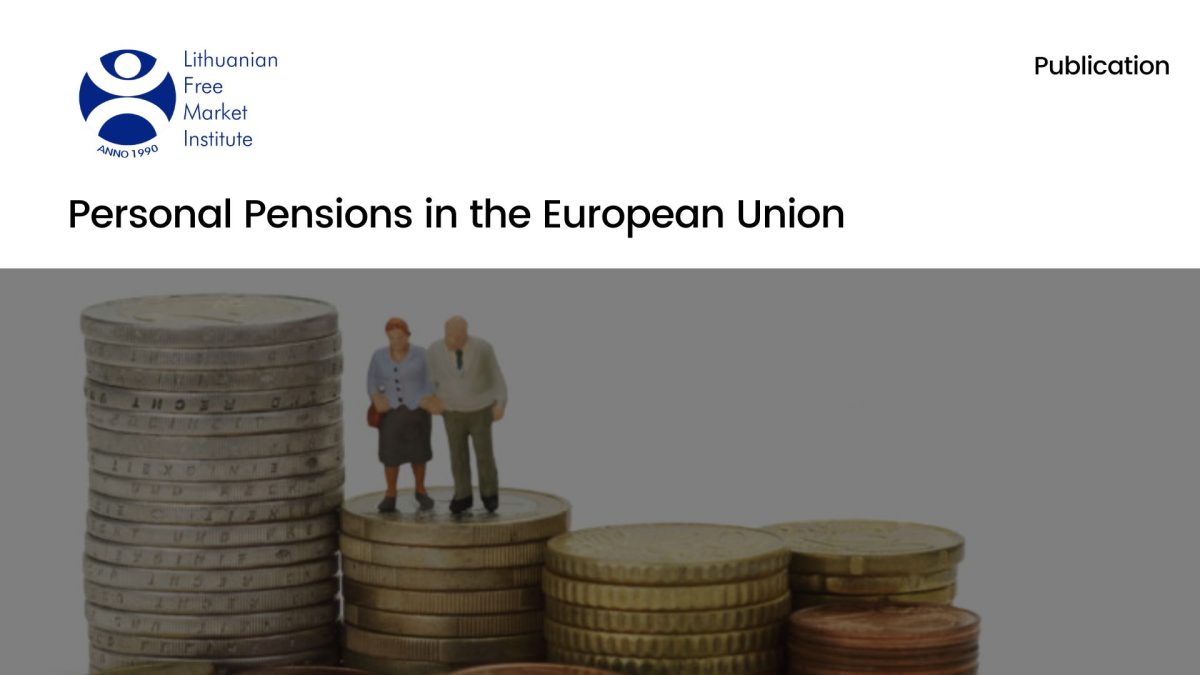
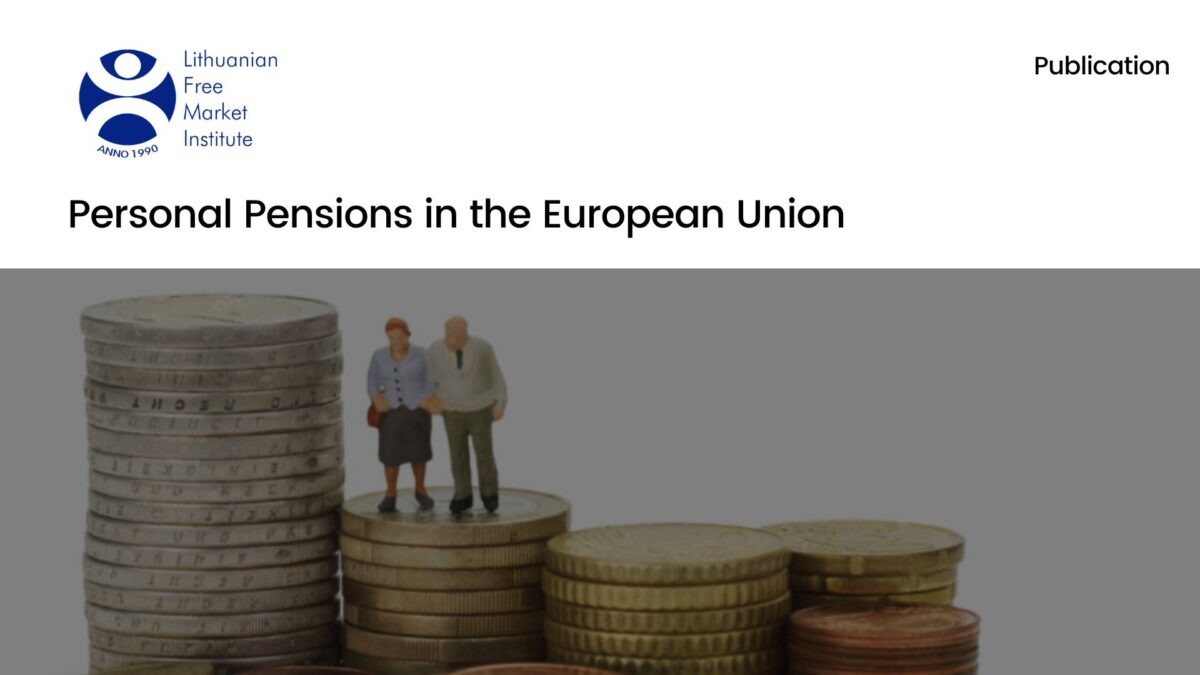
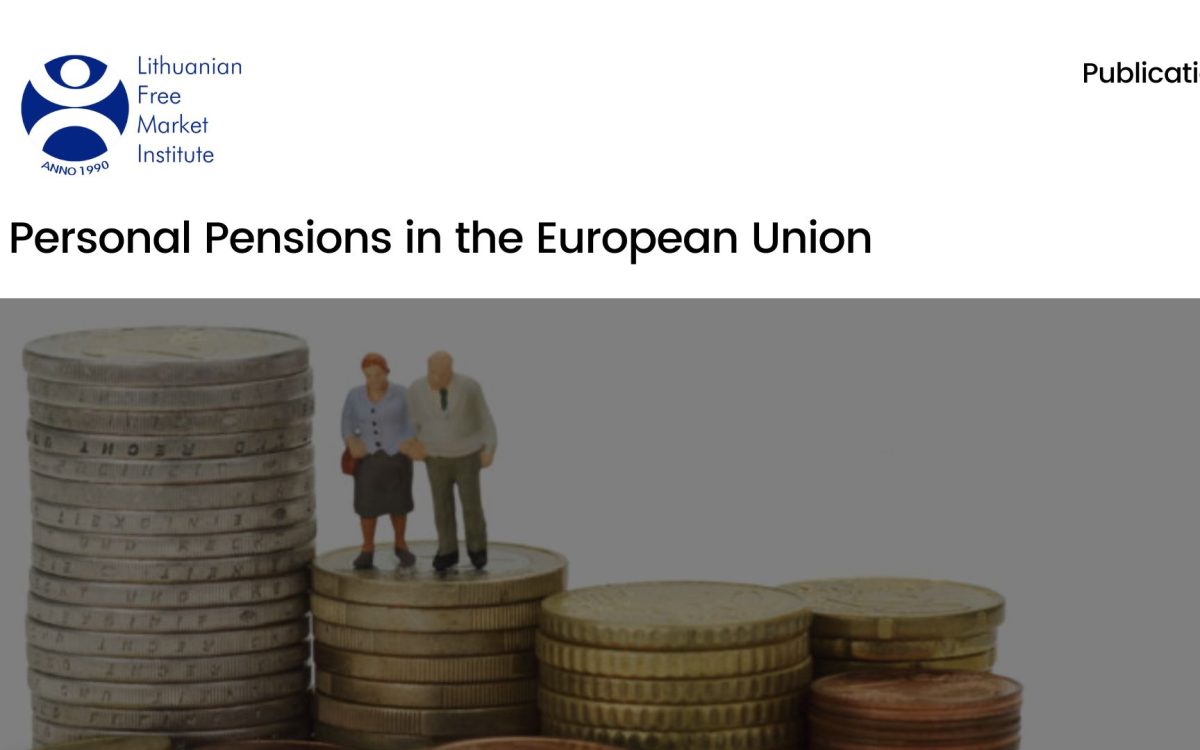
Personal Pensions in the European Union

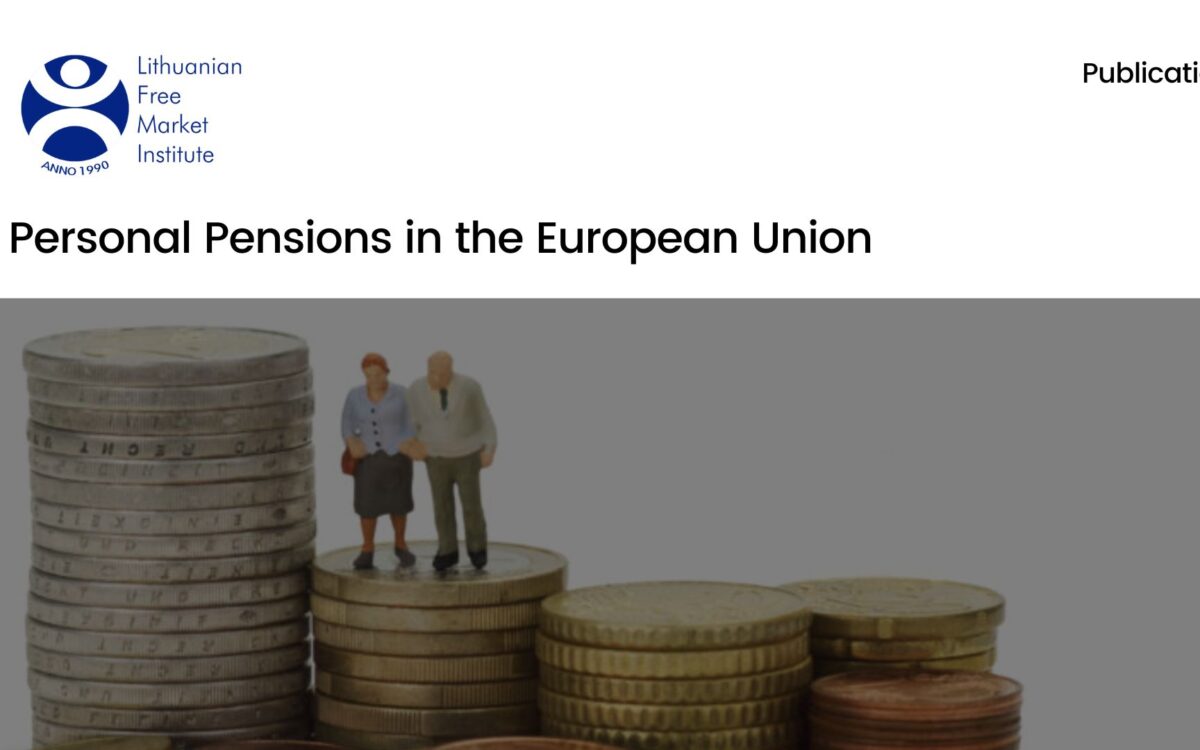
The development of personal pensions at the national and cross-border levels is hindered by high compulsory payments to public pension funds, restrictions on the participation of the self-employed and the unemployed, rules governing access to retirement savings, taxation of retirement income and other national legal requirements.
December 14, 2016

Personal Pensions in the European Union

The development of personal pensions at the national and cross-border levels is hindered by high compulsory payments to public pension funds, restrictions on the participation of the self-employed and the unemployed, rules governing access to retirement savings, taxation of retirement income and other national legal requirements.
December 8, 2016

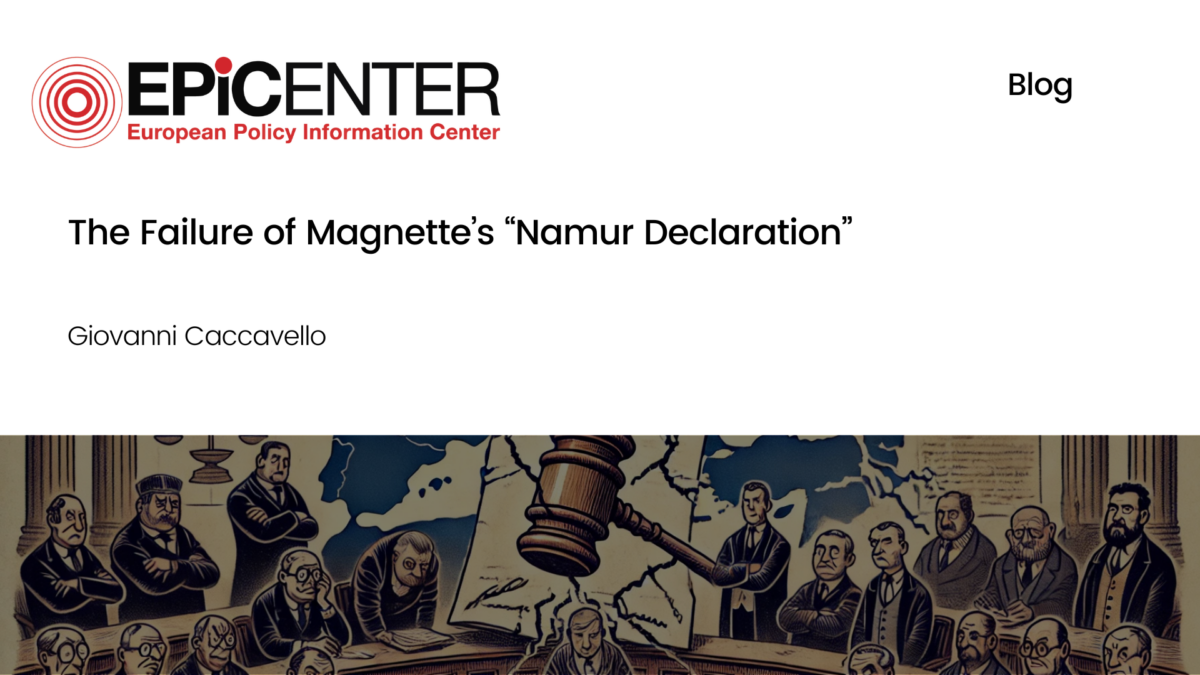
The Failure of Magnette’s “Namur Declaration”

On December 5th, Paul Magnette, the current Minister-President of the French-speaking region of Wallonia, Belgium, unveiled his so-called “Namur Declaration”, a 3-page-long statement whose aim is to “radically remake” EU trade policy.
November 1, 2016

Google Shopping: the Arguments Revisited

The arguments on which the various competition cases against Google are being fought involve core features of economic interaction in multi-sided digital markets. As such, the final outcome will have a long-standing impact on platform innovation in the EU.
November 1, 2016

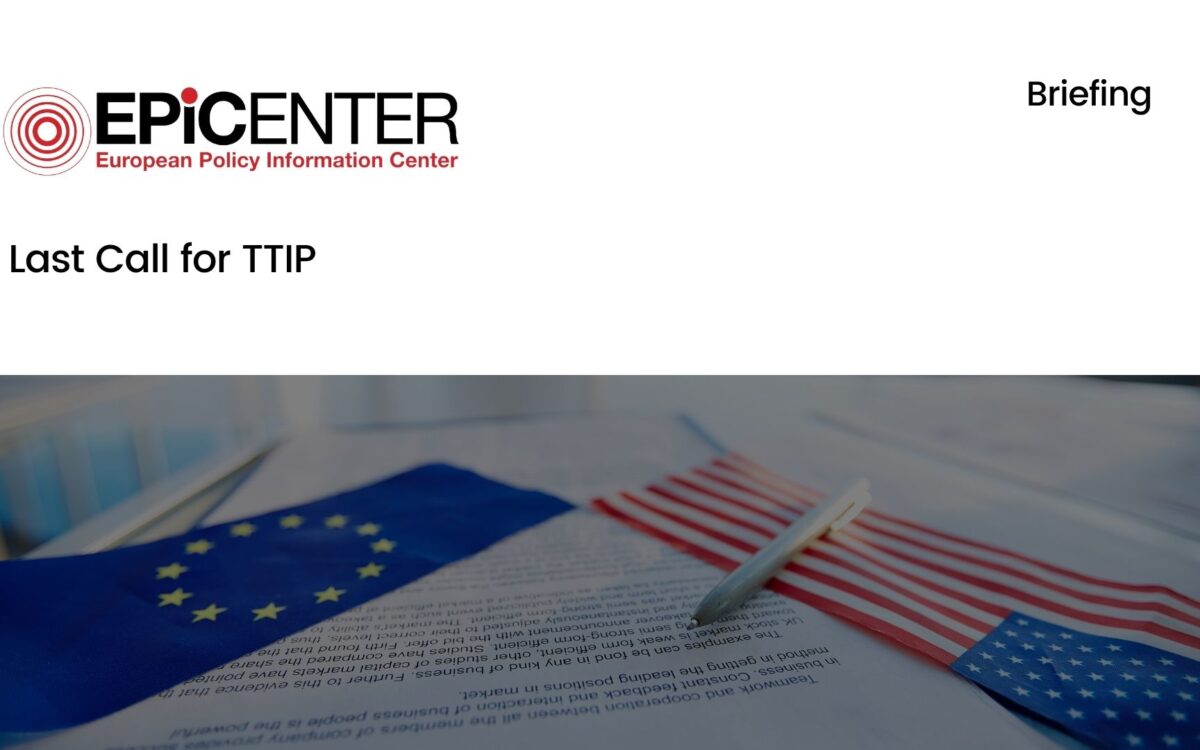
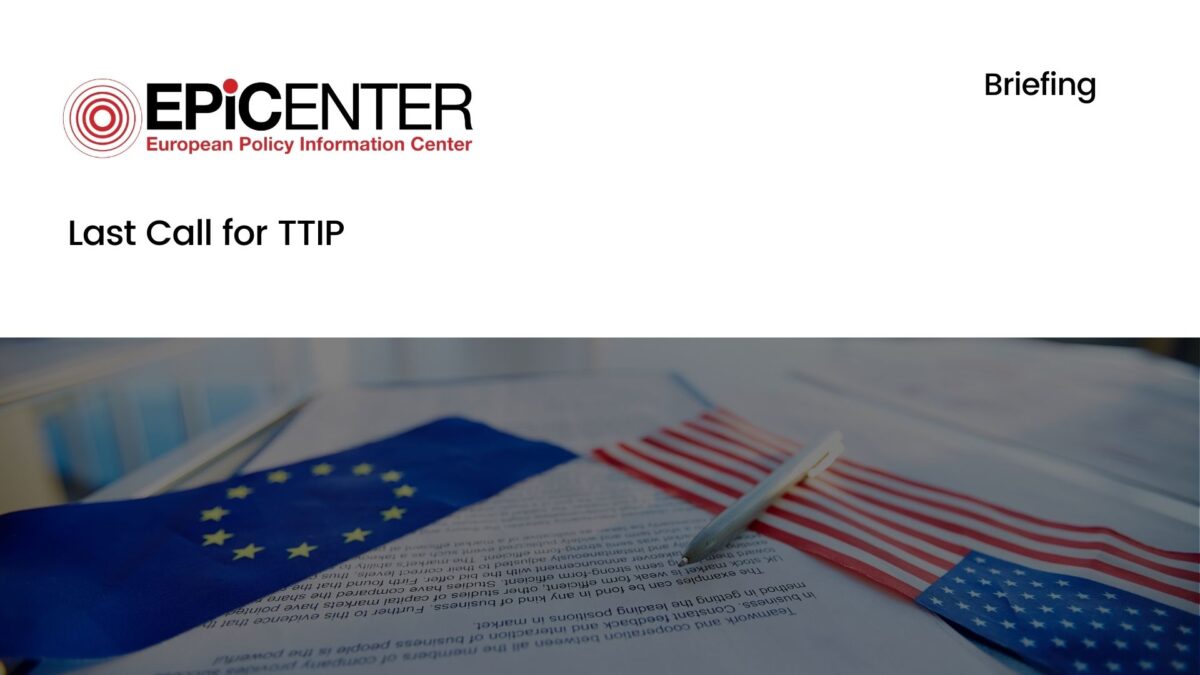
Last Call for TTIP

The Transatlantic Trade and Investment Partnership (TTIP) is currently in a negotiatory limbo. Even though the European Commission has estimated such an agreement would increase the size of the EU economy by at least €120 billion (or 0.5% of EU GDP) and the U.S economy by €95 billion (roughly 0.4% of U.S GDP), the deal looks more uncertain than ever before.
November 1, 2016

Living on Credit

November 30 marks Credit Day across the European Union. Credit Day is the day when member states’ central administrations exhaust their annual tax revenues and have to begin borrowing in order to meet their spending commitments for the rest of the year.

Share this content

EPICENTER publications and contributions from our member think tanks are designed to promote the discussion of economic issues and the role of markets in solving economic and social problems. As with all EPICENTER publications, the views expressed here are those of the author and not EPICENTER or its member think tanks (which have no corporate view).

Subscribe

* indicates required

EPICENTER publications and contributions from our member think tanks are designed to promote the discussion of economic issues and the role of markets in solving economic and social problems. As with all EPICENTER publications, the views expressed here are those of the author and not EPICENTER or its member think tanks (which have no corporate view).

Privacy Overview

This website uses cookies so that we can provide you with the best user experience possible. Cookie information is stored in your browser and performs functions such as recognising you when you return to our website and helping our team to understand which sections of the website you find most interesting and useful.