EPICENTER

September 5, 2019

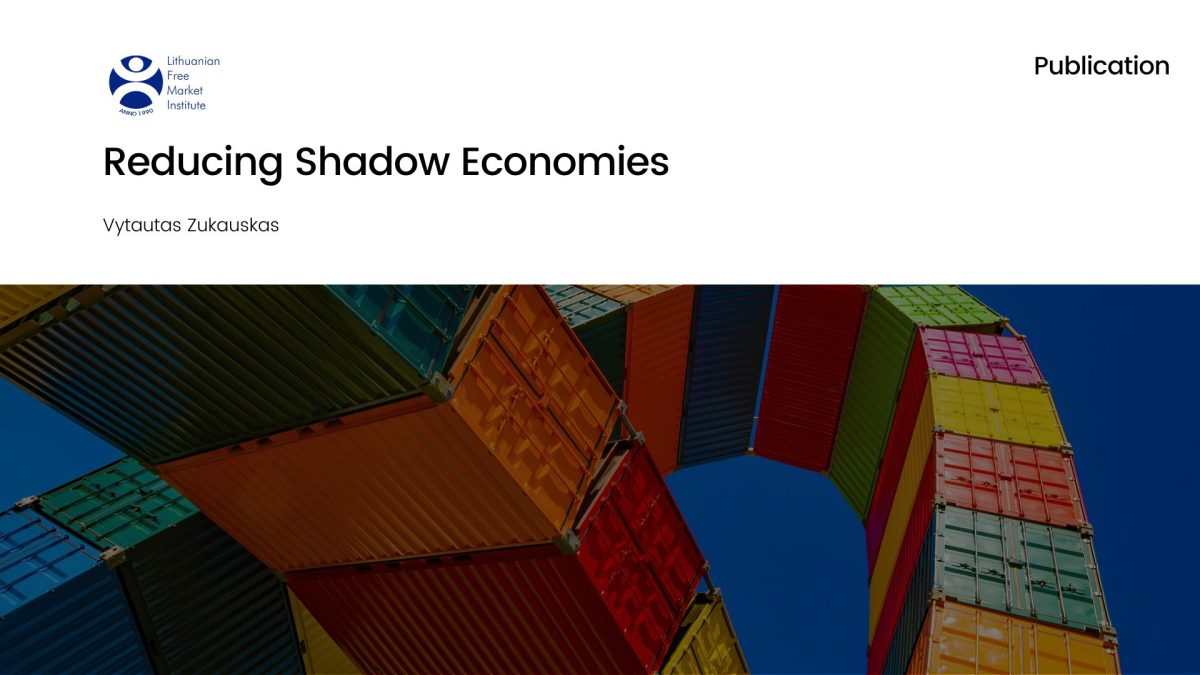
Reducing Shadow Economies

Across Europe, shadow markets constitute a significant portion of the economy. According to some estimates an average of 16 percent of GDP in EU member states is generated by the shadow economy. In Eastern and Southern Europe, the share of GDP produced by the shadow economy is even higher. On the one hand, governments admit that activities carried out within shadow markets create added value – they are included in official estimates of GDP among EU member states. On the other hand, governments have attempted to combat the shadow economy by introducing all kinds of policy measures aimed at reducing its operations as far as possible.
September 1, 2019

The Nanny State Index 2019

The Epicenter Nanny State Index is a league table of the best and worst places in the European Union to eat, drink, smoke and vape. Finland tops the table as the least free country. Germany is the freest country.
August 24, 2019

Two Cheers for the EU-Mercosur Agreement

The new EU-Mercosur Agreement only superficially rejects protectionism. As much as it liberalises trade, it also protects European defensive interests and extends the EU’s regulatory influence, to the detriment of Mercosur producers and European consumers.
August 21, 2019

Two Cheers for the EU-mercosur Agreement

The new EU-Mercosur Agreement only superficially rejects protectionism. As much as it liberalises trade, it also protects European defensive interests and extends the EU’s regulatory influence, to the detriment of Mercosur producers and European consumers.

Share this content

EPICENTER publications and contributions from our member think tanks are designed to promote the discussion of economic issues and the role of markets in solving economic and social problems. As with all EPICENTER publications, the views expressed here are those of the author and not EPICENTER or its member think tanks (which have no corporate view).

Subscribe

* indicates required

EPICENTER publications and contributions from our member think tanks are designed to promote the discussion of economic issues and the role of markets in solving economic and social problems. As with all EPICENTER publications, the views expressed here are those of the author and not EPICENTER or its member think tanks (which have no corporate view).