The economics literature shows that advertising can increase the sale of individual brands but, in mature markets, does not increase aggregate sales of the type of product being
advertised.
This paper examines the demographic projections for Slovakia up to 2030, focusing on the potential shortages of healthcare professionals. By considering factors such as new graduates, retiring doctors, and migrating doctors, we predict a significant growth in the 65+ years population that surpasses the number of available doctors and nurses.
The purpose of this systematic review and meta-analysis is to determine the effect of lockdowns, also referred to as ‘Covid restrictions’, ‘social distancing measures’ etc., on COVID-19 mortality based on available empirical evidence.
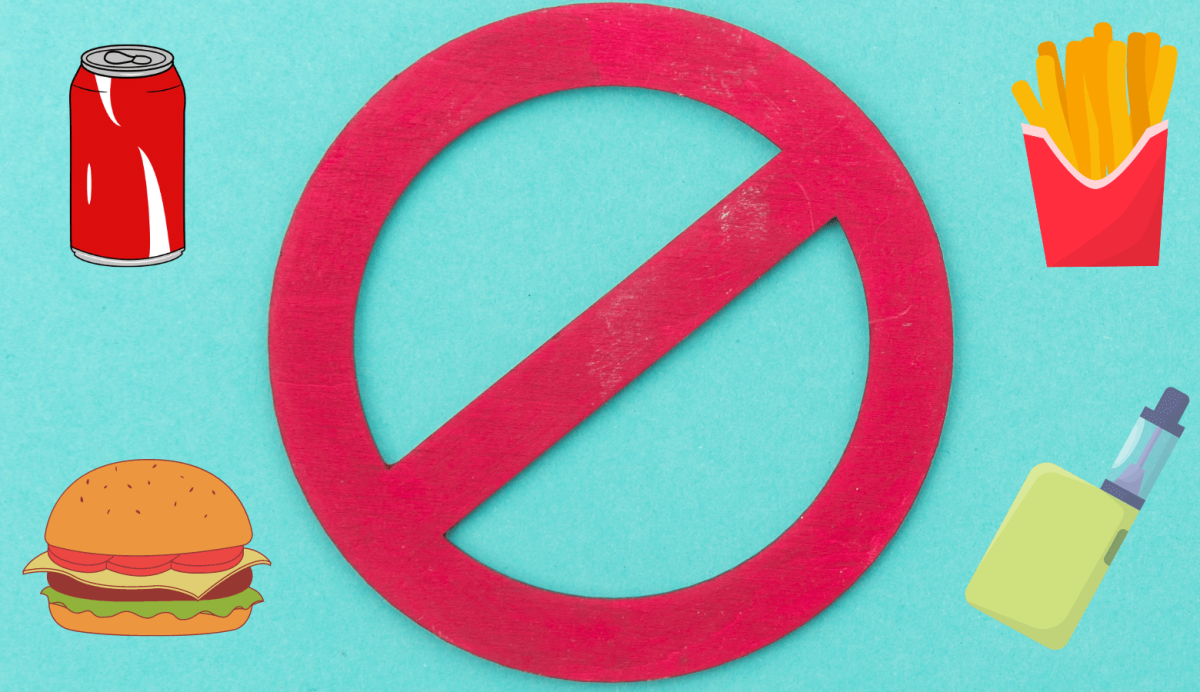
Germany has taken the top spot as the freest country in Europe once again, with the least amount of nannying regulations like banning, taxing, and regulating food & soft drinks, alcohol, tobacco, and e-cigarettes.
This briefing outlines a number of simple measures that could be taken to improve regulation to encourage the use of reduced-risk nicotine products among smokers.
The European Commission is asking for feedback on its Tobacco Products Directive (TPD). The call for evidence closes on 17 June 2022 and is intended to ‘assess to what extent the framework has fulfilled its goals and whether it is able to support a “Tobacco-Free Generation” by 2040’. A new TPD is likely to be proposed and brought into law in the next few years.
The 2021 edition of the Nanny State Index, which has been expanded to 30 countries in Europe, shows that Germany has taken the top spot as the freest country.