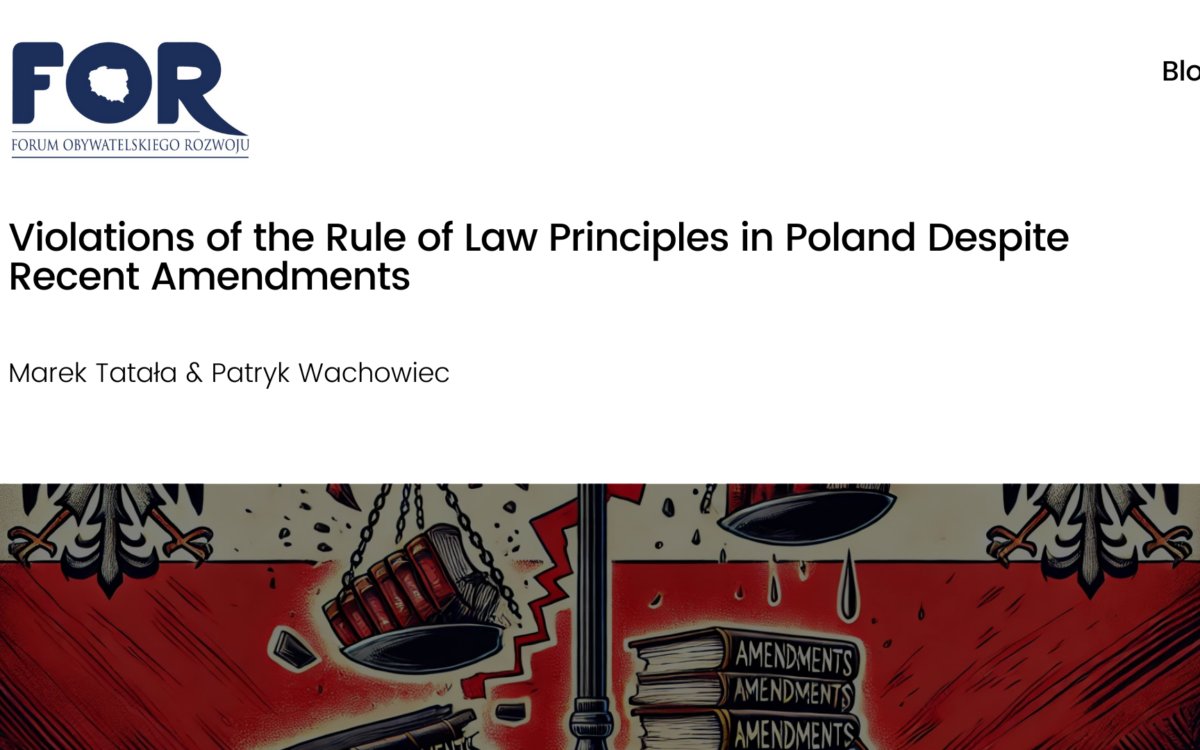
As a member of various international and European organisations, Poland is bound by the requirement to respect the rule of law so as to effectively fulfil its commitments and ensure sincere cooperation between all member states.
The new Commission report on the rule of law in the EU has found that ‘there are serious challenges, cases where the resilience of rule of law safeguards is being tested and where shortcomings become more evident’.
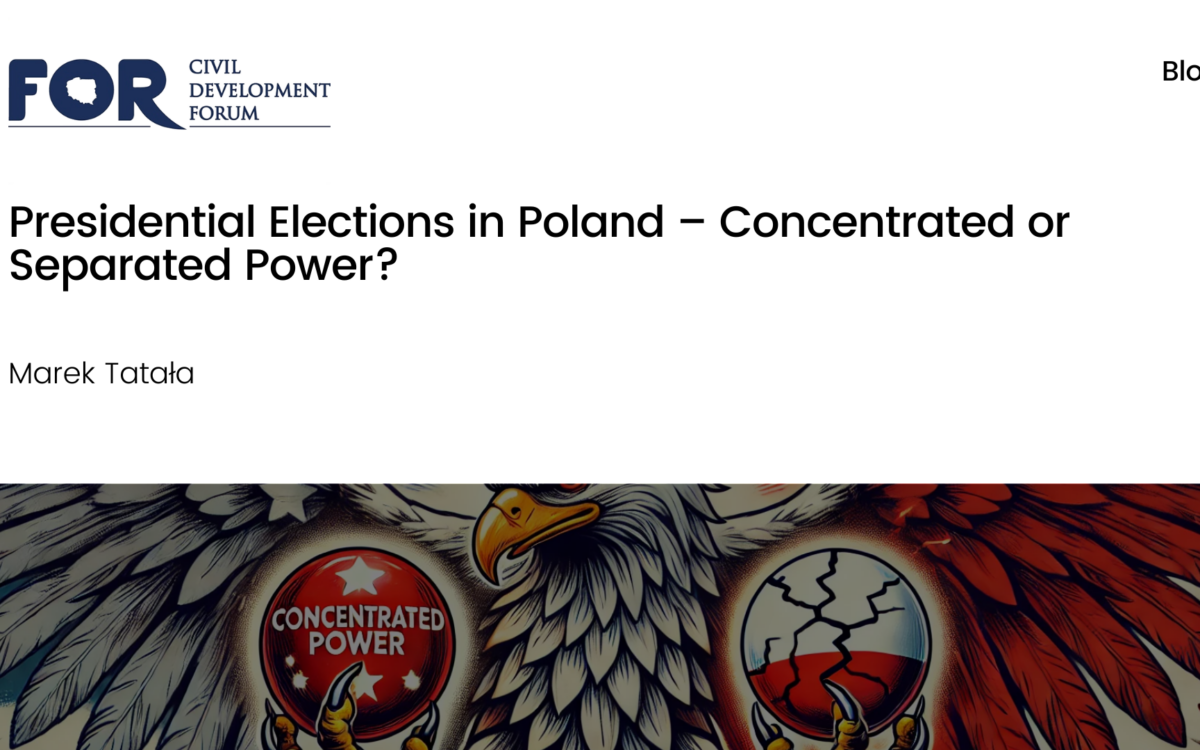
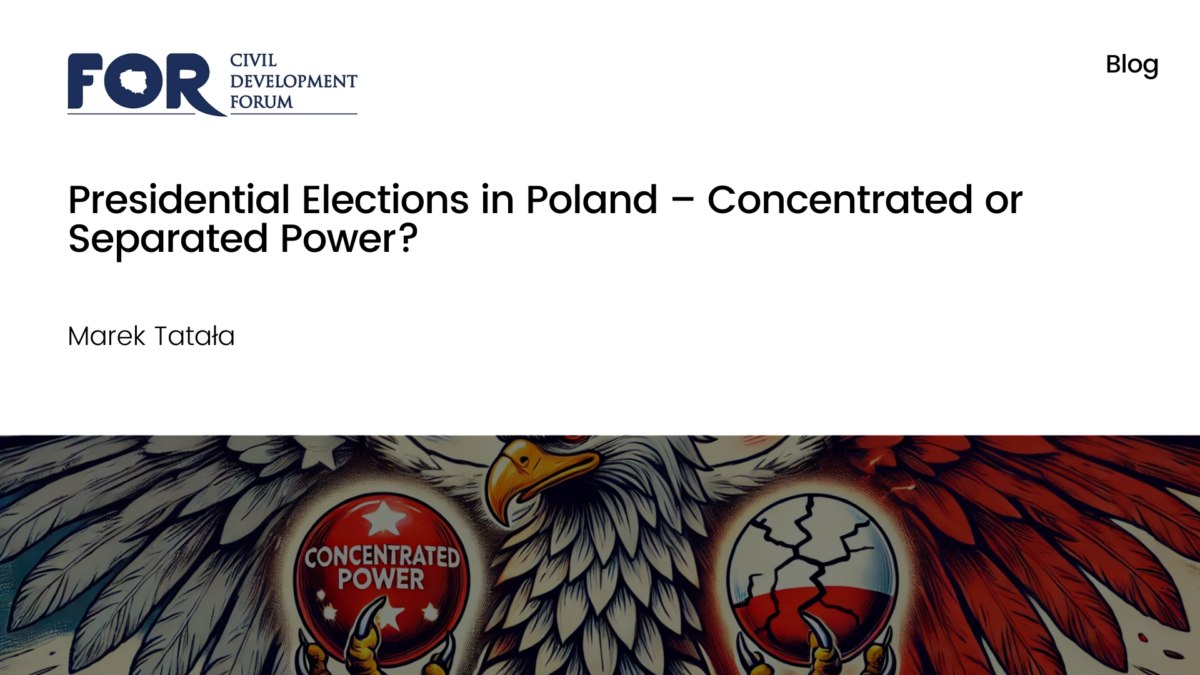
Incumbent President Andrzej Duda or Mayor of Warsaw Rafał Trzaskowski? That is the choice facing Polish voters on 12 June, in the second round of the presidential elections.
The presidential elections in Poland in 2020, which were won by the incumbent Andrzej Duda, the candidate of the ruling Law and Justice party, indicate that we may expect the further deterioration of the rule of law in Poland.
Polish president, Andrzej Duda, and his close political ally, the Law and Justice Party, PiS, have not been shy of controversies during this last political term in power.
The European Commission has fined in July telecommunications multinational Qualcomm with €242 million as it condemns them for selling chipsets “below cost."
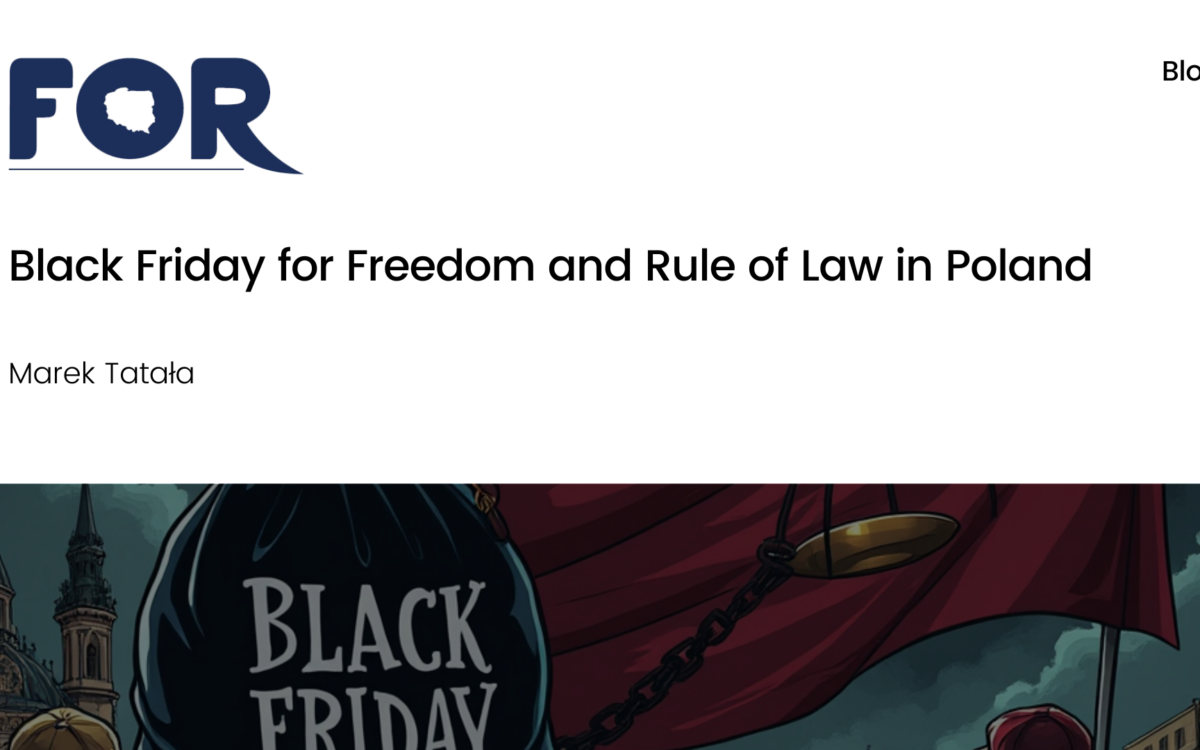
On 21 November, public opinion in Poland and the EU was surprised by the ruling Law and Justice’s (PiS) proposal “backtracking on controversial reforms it made to lower the retirement age of Supreme Court judges”.
A lot has been written about how social media (or digital media more generally), by creating online echo chambers and filter bubbles, increases political polarisation.